Using detailed surveys and machine learning computation, new research co-authored at UC Berkeley’s Center for Effective Global Action finds that eradicating extreme poverty would be surprisingly affordable. By Edward Lempinen New research co-authored at UC Berkeley's Center for Effective Global Action finds that, for a surprisingly modest investment, extreme poverty could be eradicated globally by
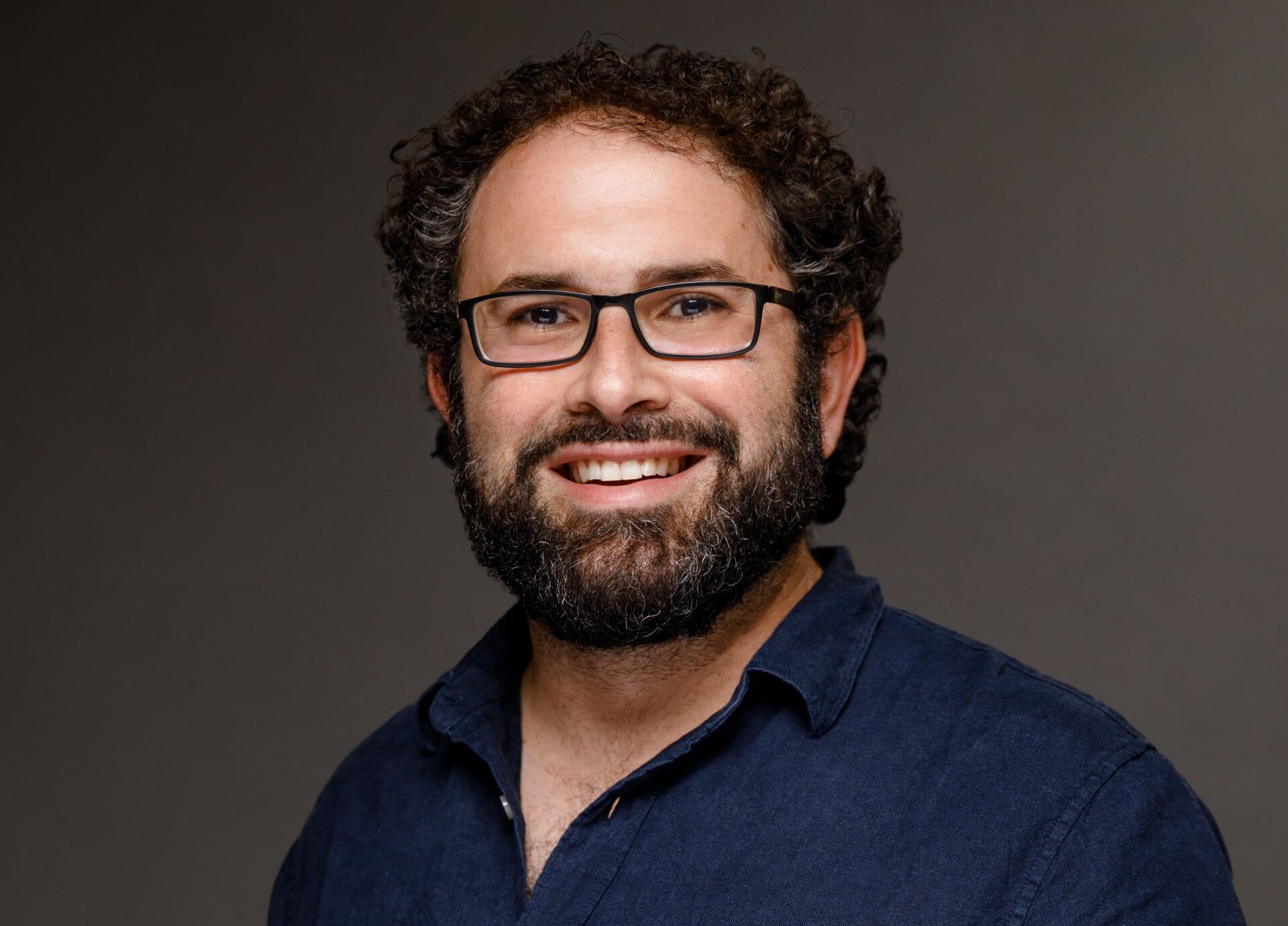
‘It’s the Stuff We Didn’t Anticipate That’s The Most Impactful’: The South African Tr-AI-lblazer And Scientist Breaking The Status Quo
Benjamin Rosman’s research is powering Africa’s geopatriated AI future.
The fact that Benjamin Rosman considers two uninterrupted weeks in South Africa—his official residence—a rare luxury is testament to how busy the Professor of Machine Learning and Robotics is. After all, you don’t get listed by TIME as one of the 100 Most Influential People in AI and get much time to sit still.
As the Director of the Machine Intelligence and Neural Discovery Institute (MIND) at the University of the Witwatersrand (Wits) in Johannesburg, Rosman is at the forefront of Africa’s AI renaissance.
The work conducted at MIND extends far beyond the CPU. Its researchers specialize in everything from neuroanatomy and behavioral psychology, to policy and governance, in the service of uncovering breakthroughs in artificial and natural intelligence.
“We’re trying to facilitate new discussions, support projects that are weird and ‘out there’, and try to break the status quo,” he explains.
Loading…
Rosman’s interest in technology began early. Gaming fascinated him—not for the gameplay, but for the ability to create. “If I gave some instructions to a computer, it could build these crazy worlds. Over time, I was introduced to the idea that machines can actually learn instead of you telling them everything and I became hooked.”
Now a buzzword, a decade ago AI was seen as more confusing than cool. “I once gave a talk,” he recalls, “and someone genuinely asked, ‘Isn’t AI artificial insemination?’ ”
These days, the Edinburgh University graduate has Google Research Awards to his name, is a fellow at the Canadian Institute for Advanced Research (CIFAR), and lectures full-time at Wits. As if that wasn’t enough, he also founded an annual summer school aimed at strengthening machine learning in Africa called the Deep Learning Indaba, as well as Lelapa AI which builds language models for Africans by Africans.
“His commitment to his alma mater, his city, his country, and his continent is just priceless,” states Professor Zeblon Vilakazi, Vice- Chancellor of Wits University. “His mentorship goes beyond the university.”
Rosman’s brilliance is balanced by his humility.
“You always tell yourself maybe it’s just because they needed someone from Africa on the list,” Rosman jokes. “The imposter syndrome never goes away.”
And yet, there is no doubting the impact that Rosman has had on the world of AI or the people in it.
“Benji has this boundless energy,” says Steven James who evolved from having Rosman as his supervisor to working alongside him at the Robotics, Autonomous Intelligence and Learning (RAIL) lab at Wits. “I know it’s not boundless because he’s tired all the time, but he has this ability to do more things than should be humanly possible by any one person.”
Rosman’s tenacity is even more remarkable considering he underwent a stroke in utero and was born with hemiplegia cerebral palsy. The brain’s ability to “rewire itself after damage, find ways around those problems, or repurpose different parts of itself to do other things” as he says, essentially underlines his work in AI.
“Sci-fi movies from the ‘70s and ‘80s included flying cars and spaceships, but did any of them predict the internet? The smartphone?” he asks.
“Usually, it’s the stuff we didn’t anticipate that is the most impactful—tapping your phone to pay, being able to rock up in a country where you don’t speak the language or have any currency, and book yourself a hotel and have someone drive you there without commu-nicating with a human.”
For Africa to embrace its own potential, Rosman believes it comes down to its people.
“You need people that understand how [the technology] works, when it works, why it works. There are amazing people here, easily on par with the rest of the world, and they have a genuine desire to make the world better.”
Rosman’s influence is visible on global stages, yet it is the students who approach him in coffee shops to say he changed their lives that mean the most.
As he puts it: “There is no reason to think that the next breakthroughs can’t come from Africa or anywhere else.”
Loading…

Related Posts