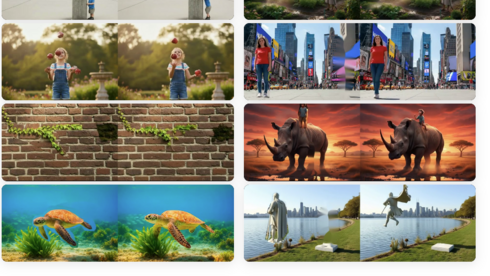
Time to Move technology gives users control over motion in AI-generated videos without retraining models or requiring massive computing power Researchers at the Technion-Israel Institute of Technology have developed a technology that allows users to control movement in AI-generated videos using simple mouse gestures, without requiring large computing resources or retraining on massive video datasets.
In the News: Manjeet Rege on the Use of AI-Generated Deepfakes in Political Advertising – Newsroom | University of St. Thomas

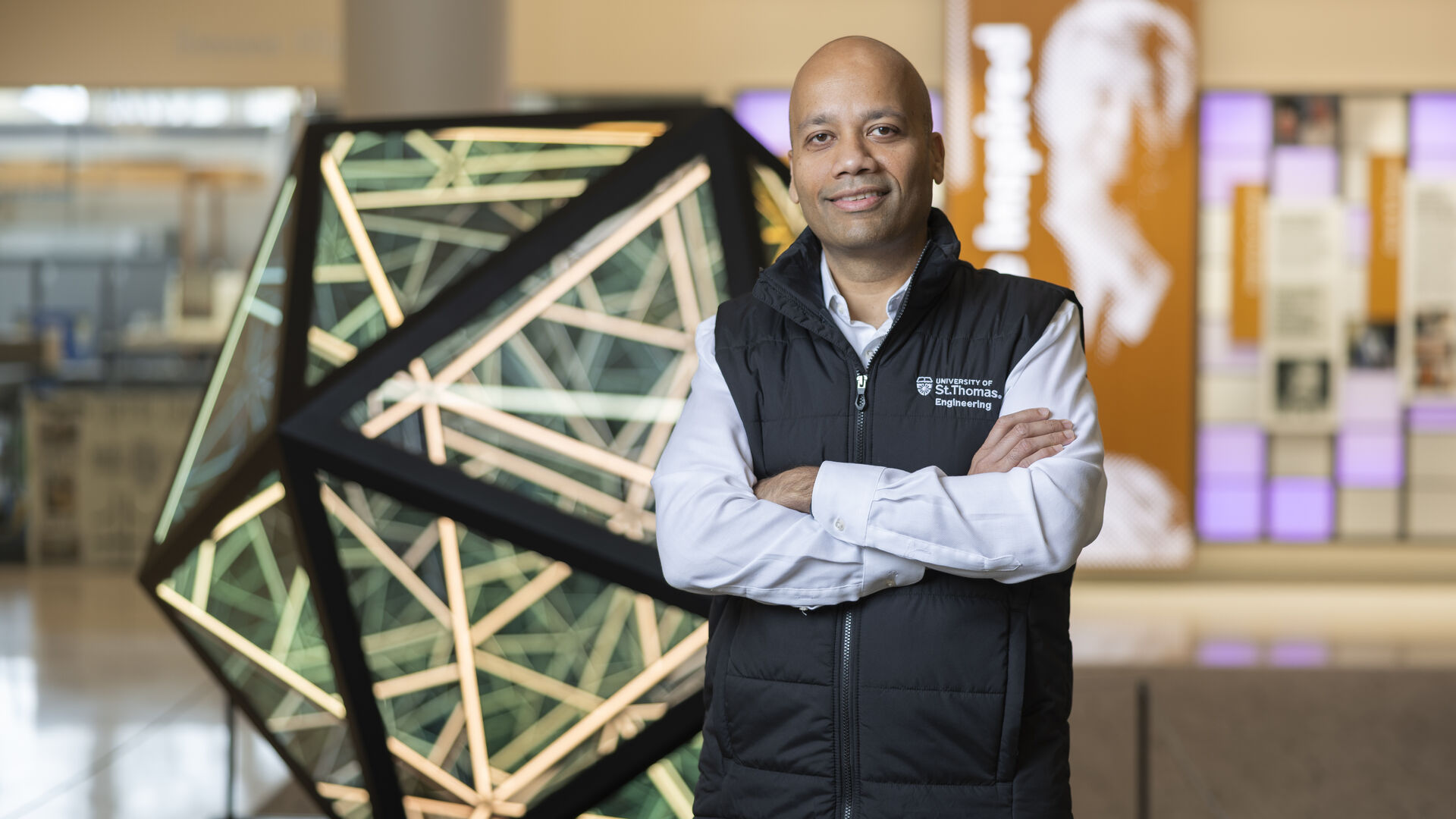
University of St. Thomas Professor Manjeet Rege recently spoke with FOX 9 about the use of AI-generated deepfakes in political advertising. Rege is chair of the Department of Software Engineering and Data Science and director of the Center for Applied Artificial Intelligence.
In the segment, Rege explained how deepfake technology works and demonstrated several AI-generated versions of himself speaking languages he does not know.
From the story:
“When you take deep learning technology, apply that to image or video data and create content, the content that gets created is fake and looks realistic. But because it is created using deep learning, it is called deepfakes,” Rege said.
“All of these examples you’re seeing are my deepfake versions,” Rege said. “In some of them, I’m speaking languages I do not speak, like Chinese and French. They ask you to record 30 seconds. Then, based on that 30 seconds, it is going to extrapolate how that person would react to different situations.”

Related Posts