
Washington , D.C. - State and school district leaders need to press for guardrails on AI use in schools, while also acknowledging that the technology’s rapid development makes teacher training critical, witnesses at a U.S. Senate hearing said Tuesday. The hearing—organized by the Senate Subcommittee on Education & the American Family—examined the adjustments policymakers need
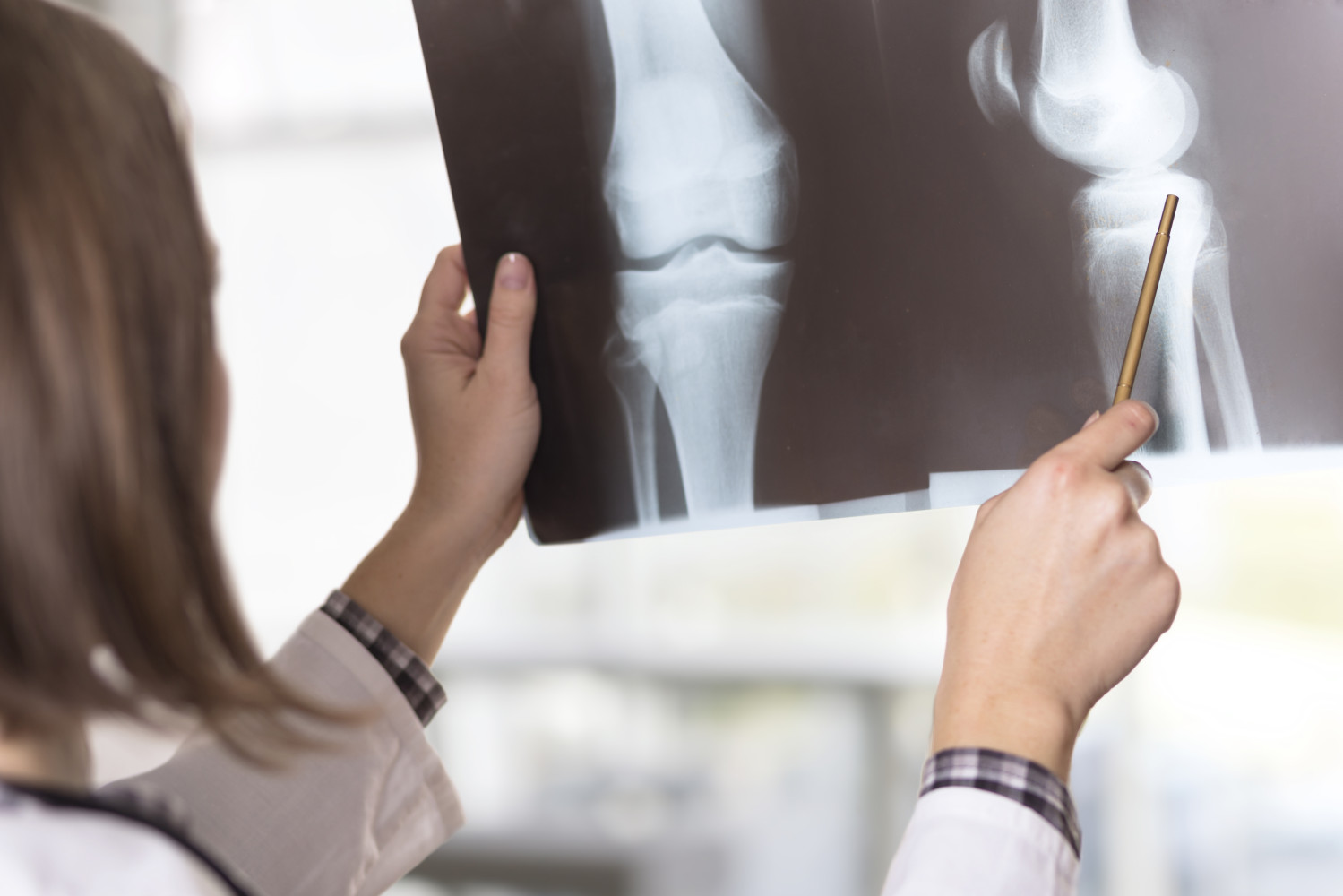
Surgically Relevant Knee Phenotypes: The Modified Coronal Plane Alignment of the Knee System—A Deep Learning–Based Classification
New research from Hospital for Special Surgery highlights how artificial intelligence can help advance personalized knee arthroplasty by improving the way surgeons understand and classify knee alignment.
The traditional Coronal Plane Alignment of the Knee (CPAK) classification describes nine knee phenotypes based on constitutional limb alignment and joint line obliquity. While widely recognized, variability in phenotype definitions and uncertainty regarding its surgical application have limited its clinical utility.
In this study, researchers leveraged a validated deep learning model to automatically analyze full-limb radiographs from 972 patients (1,944 knees), accurately extracting key alignment measurements at scale. This AI-driven approach enabled a comprehensive evaluation of knee phenotypes and facilitated the development of a simplified Modified CPAK classification system designed to improve consistency, accuracy, and clinical decision-making.
Key findings demonstrated that more than 99% of knees can be categorized into just five clinically relevant phenotypes. Knee alignment followed a consistent pattern, with varus alignment primarily driven by the tibia and valgus alignment predominantly driven by the femur.
The Modified CPAK provides a surgically relevant framework for assessing knee alignment and supports alignment-based treatment strategies. By improving the understanding of individual knee anatomy, this approach represents an important step toward personalized arthroplasty, enabling surgeons to tailor alignment decisions to each patient’s unique phenotype and ultimately enhance patient care.
Read more at sciencedirect.com.

Related Posts