New program offers SIs, resellers, and referral partners deal protection, certifications, and dedicated support to meet growing demand for synthetic data. As the world’s leading AI labs and global services firms accelerate their investments in enterprise AI deployment, the demand for high-fidelity, safe, and compliant data has never been greater. Tonic.ai, the synthetic data platform
Applications of traditional machine learning and deep learning algorithms in obesity prediction or classification: a systematic review of comparative performance – npj Digital Medicine
- Article
- Open access
- Published:
- Mehrdad Jamali1 na1,
- Meysam Zarezadeh2 na1,
- Mohammad Vesal Bideshki3,4,
- Mohamed Khalifa5,
- Michelle Cavaleri5,
- Ahmad Saedisomeolia5,6 na2 &
- …
- Rania A. Mekary7,8 na2
npj Digital Medicine (2026) Cite this article
We are providing an unedited version of this manuscript to give early access to its findings. Before final publication, the manuscript will undergo further editing. Please note there may be errors present which affect the content, and all legal disclaimers apply.
Subjects
Abstract
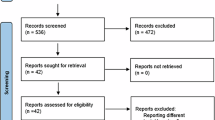
This systematic review evaluated traditional machine learning (TML) and deep learning (DL) approaches for obesity prediction in longitudinal studies and obesity classification in cross-sectional studies. PubMed, Scopus, and Web of Science were searched from inception to June 15, 2025. Studies applying these algorithms and reporting performance metrics were included. Seventeen studies (three longitudinal and fourteen cross-sectional) met the inclusion criteria. Only one of the 17 included studies performed independent external validation, and calibration reporting was extremely limited, highlighting substantial methodological barriers to clinical implementation. Longitudinal studies showed modest performance, with only one reporting discrimination (AUC = 0.81), limiting comparison between TML and DL for future risk prediction. In contrast, cross-sectional studies reported high apparent performance, with DL models reaching AUCs up to 0.979 and well-tuned TML models also performing strongly; however, many estimates were influenced by methodological limitations, including circular predictor–outcome relationships and incomplete performance reporting. Both approaches performed well for obesity classification, but evidence for clinically meaningful future obesity risk prediction remains limited. Longitudinal designs and independent external validation are needed to improve clinical relevance. Until such evidence is available, AI-based obesity models should be viewed as exploratory decision-support tools rather than routinely implemented instruments for clinical or public health risk assessment.
Acknowledgements
This research received no specific grant from any funding agency in the public, commercial, or not-for-profit sectors.
Ethics declarations
Competing interests
The authors declare no competing interests.
Additional information
Publisher’s note Springer Nature remains neutral with regard to jurisdictional claims in published maps and institutional affiliations.
Supplementary information
Rights and permissions
Open Access This article is licensed under a Creative Commons Attribution-NonCommercial-NoDerivatives 4.0 International License, which permits any non-commercial use, sharing, distribution and reproduction in any medium or format, as long as you give appropriate credit to the original author(s) and the source, provide a link to the Creative Commons licence, and indicate if you modified the licensed material. You do not have permission under this licence to share adapted material derived from this article or parts of it. The images or other third party material in this article are included in the article’s Creative Commons licence, unless indicated otherwise in a credit line to the material. If material is not included in the article’s Creative Commons licence and your intended use is not permitted by statutory regulation or exceeds the permitted use, you will need to obtain permission directly from the copyright holder. To view a copy of this licence, visit http://creativecommons.org/licenses/by-nc-nd/4.0/.
Reprints and permissions
About this article

Cite this article
Jamali, M., Zarezadeh, M., Bideshki, M.V. et al. Applications of traditional machine learning and deep learning algorithms in obesity prediction or classification: a systematic review of comparative performance. npj Digit. Med. (2026). https://doi.org/10.1038/s41746-026-02986-8
Download citation
-
Received:
-
Accepted:
-
Published:
-
DOI: https://doi.org/10.1038/s41746-026-02986-8

Related Posts