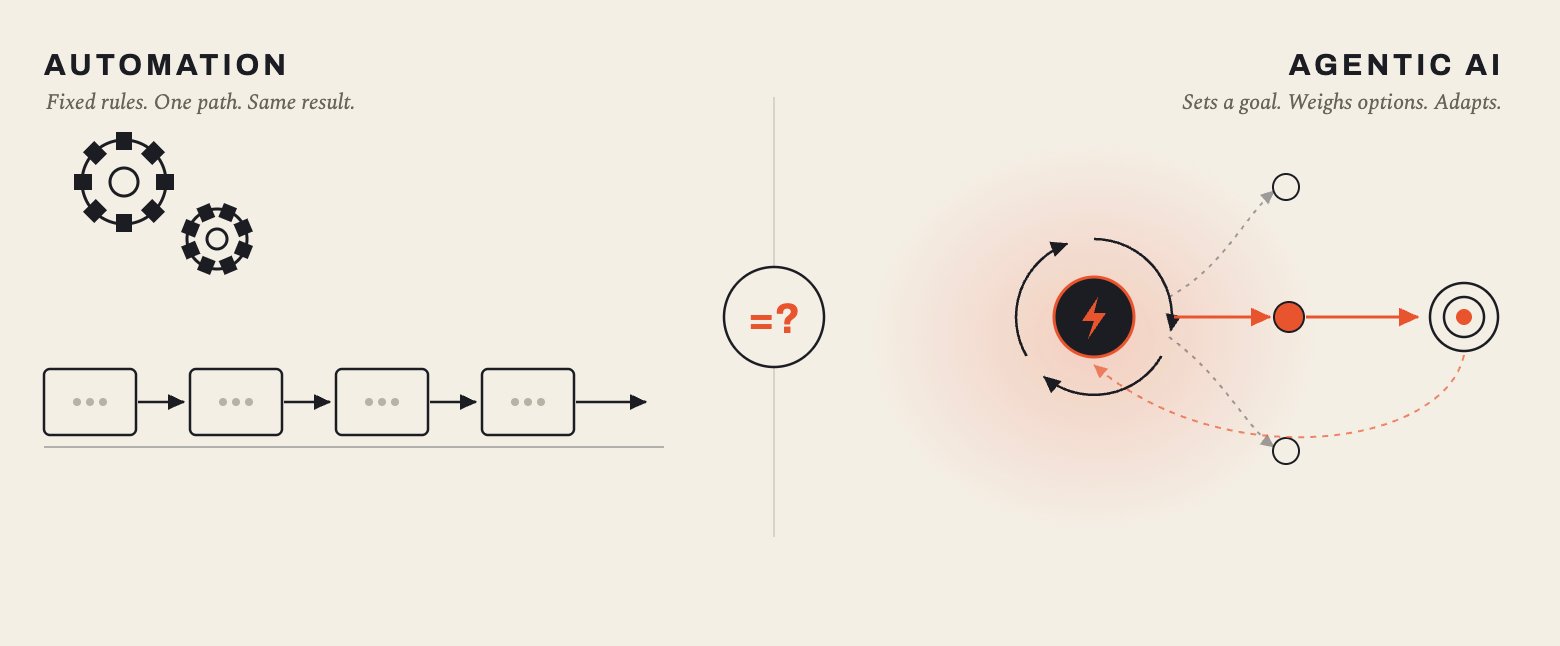
FlowX.AI is among the first partners bringing specialized industry agents to Gemini Enterprise, with enterprise-grade AI built for complex, high-stakes work where making a mistake is not an option. FlowX.AI today announced that specialized FlowX.AI agents are available through Google Cloud Marketplace and as part of Gemini Enterprise, enabling Gemini Enterprise customers to bring AI into
New AI tools explore the climate change-extreme weather link
Article Category
Article available in the following languages:
XAIDA is designing and applying AI-based methodologies to reveal how climate change impacts extreme weather events and to foresee their occurrence in the future.
Extreme weather events have become more frequent and intense in recent years, raising significant concerns over environmental impacts as well as human safety. In 2024, some 604 such events(opens in new window) occurred globally, with a significant number recorded as ‘unusual’ and ‘unprecedented’. These incidents appear to be heavily linked to climate change, and for some, the connection has been well documented. However, we are yet to understand the exact mechanisms at the root of more extreme, high-impact and complex events, which would help design better prevention and mitigation measures. The EU-funded XAIDA(opens in new window) project brought together a consortium of 16 expert partners in AI, statistics and climate modelling to develop a data-driven methodology focused on elucidating the role of climate change in extreme weather events around the globe. The project also engaged stakeholders from different sectors to prepare risk appraisal and adaptation strategies for such events.
Intelligent tools for extreme weather assessment
To better understand and predict climate extremes, the XAIDA consortium developed a set of machine learning, causal inference, and event detection and impact assessment tools, combining them with statistical climate modelling and attribution methods. One of the points of application involved heatwaves: XAIDA used variational autoencoders(opens in new window), a specific deep learning technique, to understand how extreme heat events evolve alongside climate change. From this work, it became apparent that current models are lacking important physics. “During the project, we learned that in many regions, heatwaves have been increasing faster than anticipated by climate models. This is a major concern,” says project coordinator Dim Coumou, professor at the Faculty of Science, Department of Water and Climate Risk at Vrije Universiteit Amsterdam. The causes of this disagreement were explored in an article(opens in new window) on heat extremes in western Europe, where the team also laid down the steps necessary to improve climate prediction and attribution models. Among XAIDA’s outputs are the AIDE (artificial intelligence for disentangling extremes) toolbox for the detection of extreme events and the assessment of their impacts, the CAUSEME platform, which helps users identify cause-and-effect relationships in complex climate data, and GreenEarthNet, a machine learning-powered toolkit combining Earth observation data with climate model outputs to predict ecosystem responses to climate change. It also developed a package of teaching materials for primary and secondary school teachers and students, and project researchers have published more than 100 scientific research papers.
Alleviating apprehensions about AI use
One of the challenges XAIDA faced during its lifetime was the ongoing concerns surrounding AI trustworthiness and interpretability. The consortium addressed this by employing a combination of more traditional methods (climate models, statistical analyses of observational data) and new AI methods, which allowed them to perform important sanity checks to verify whether the AI-generated results made sense. Overall, XAIDA established ways through which AI can be incorporated in a trustful manner. They did this by providing new insights into the underlying process of extreme events and their better predictability, and also at longer lead times, for example, several weeks to months in advance. “XAIDA has been part of a much larger wave of AI innovation in climate science in recent years; AI has really taken off during the lifetime of the project. Now we have global AI weather prediction models that are really providing the research community with new opportunities,” concludes Coumou.
Discover other articles in the same domain of application
Download Download the content of the page
Last update: 25 August 2026

Related Posts