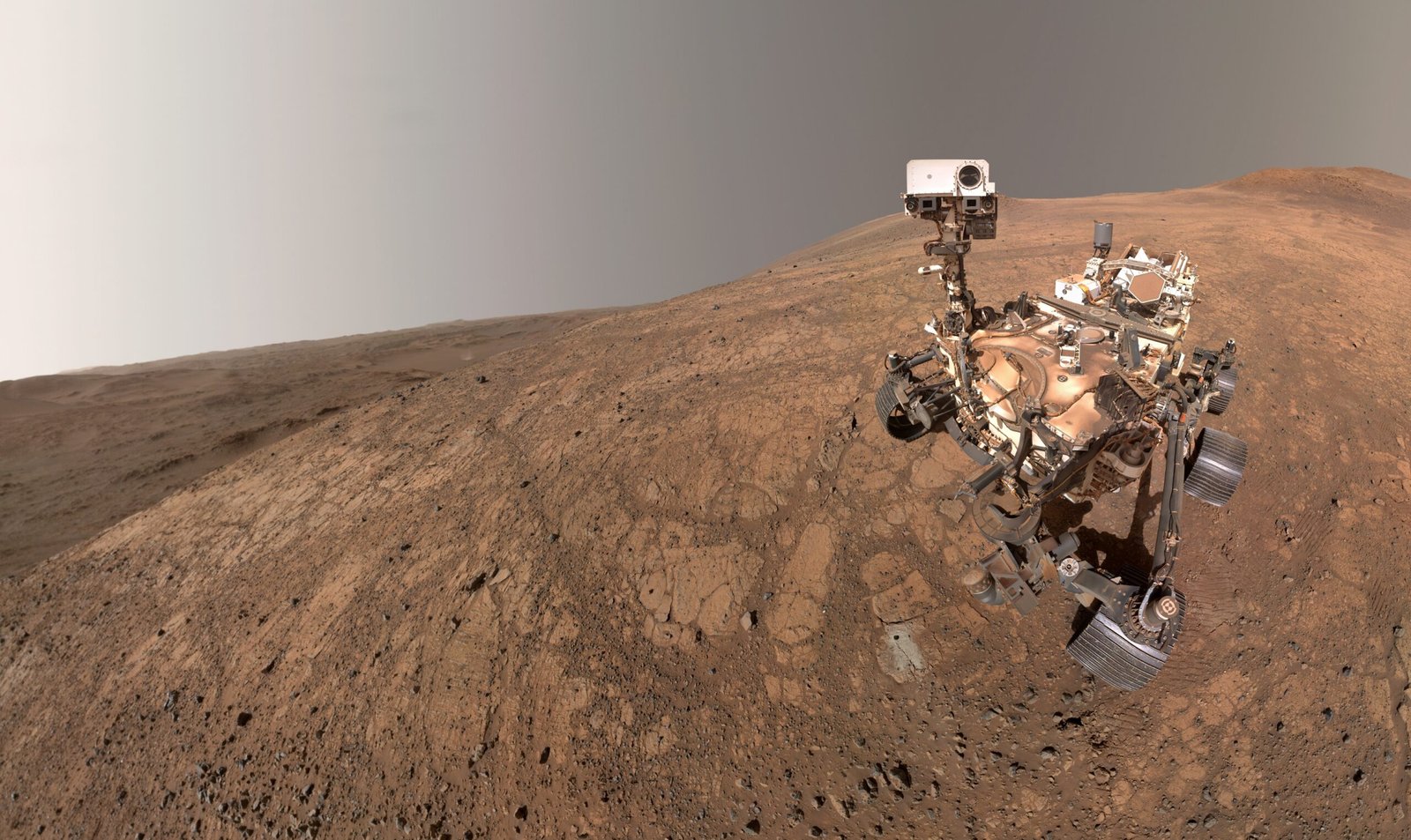
Per the Sept. 29, 2026, Executive Order 14434: Inaugurating the Era of Super Intelligence, NASA is working to update its communications to incorporate the term “super intelligence” as directed. At NASA, use of super intelligence has a role in our missions, exploration of the Moon and Mars, weather, mission planning, and more. Super intelligence helps

Visual Computing – Global Strategic Business Report: Capitalize on 19.2% CAGR as the Market Surges to US$78.4B by 2030; Benchmark Intel, Arm, Clarifai, Imagination Technologies and Leela AI
This is a paid press release. Contact the press release distributor directly with any enquiries.
Research and Markets
5 min read

Capitalize on AI-powered GPUs, cloud-edge processing, AR/VR and digital twins across key industries, guided by tariff and competitive insights.
Dublin, Oct. 07, 2026 (GLOBE NEWSWIRE) — “Visual Computing – Global Strategic Business Report” has been added to ResearchAndMarkets.com’s offering.
The global visual computing market was valued at US$27.4 billion in 2024 and is projected to reach US$78.4 billion by 2030, expanding at a compound annual growth rate (CAGR) of 19.2% during the forecast period. Growth is being supported by advances in artificial intelligence (AI), graphics processing, cloud and edge computing, and demand for immersive digital experiences across gaming, media, healthcare, automotive, manufacturing, architecture, and retail.
The comprehensive visual computing market report examines industry trends, growth drivers, competitive conditions, regional opportunities, and forecasts through 2030. It also incorporates recent global tariff developments and assesses their potential effects on supply chains, technology sourcing, production costs, investment decisions, and the geographic realignment of the visual computing industry.
AI and Advanced Hardware Accelerate Market Development
Continued innovation in graphics processing units (GPUs), visual processing units (VPUs), and other specialized hardware is enabling faster real-time rendering, advanced 3D modeling, and more efficient processing of complex visual workloads. These capabilities are supporting high-performance applications in autonomous vehicles, robotics, smart cities, medical imaging, digital twins, and augmented and virtual reality.
AI, deep learning, and neural networks are further strengthening visual computing platforms by improving image recognition, pattern detection, predictive analytics, and automated decision-making. The convergence of AI software and high-performance computing hardware is creating new commercial opportunities while improving the accuracy, speed, and scalability of visual applications.
Cloud, Edge Computing, AR, and VR Shape Market Trends
Cloud-based visual computing is gaining momentum as organizations seek scalable, on-demand resources for rendering, simulation, and data-intensive workloads. At the same time, edge computing is allowing visual data to be processed closer to its source, reducing latency and supporting time-sensitive applications such as autonomous drones, industrial automation, remote healthcare monitoring, and intelligent transportation systems.
Adoption of augmented reality (AR) and virtual reality (VR) is also expanding beyond entertainment. Education providers are using immersive tools for training, retailers are deploying virtual product experiences, and healthcare organizations are exploring remote consultation and simulation applications. In real estate, manufacturing, infrastructure, and urban planning, increased use of 3D visualization and digital twins is enabling real-time simulation, predictive modeling, operational optimization, and more informed planning.

Related Posts