This is a paid press release. Contact the press release distributor directly with any enquiries. Research and Markets Thu 8 October 2026 at 4:18 am GMT+7 5 min read Company Logo Capitalize on AI-powered GPUs, cloud-edge processing, AR/VR and digital twins across key industries, guided by tariff and competitive insights. Dublin, Oct. 07, 2026 (GLOBE
But I
 ”
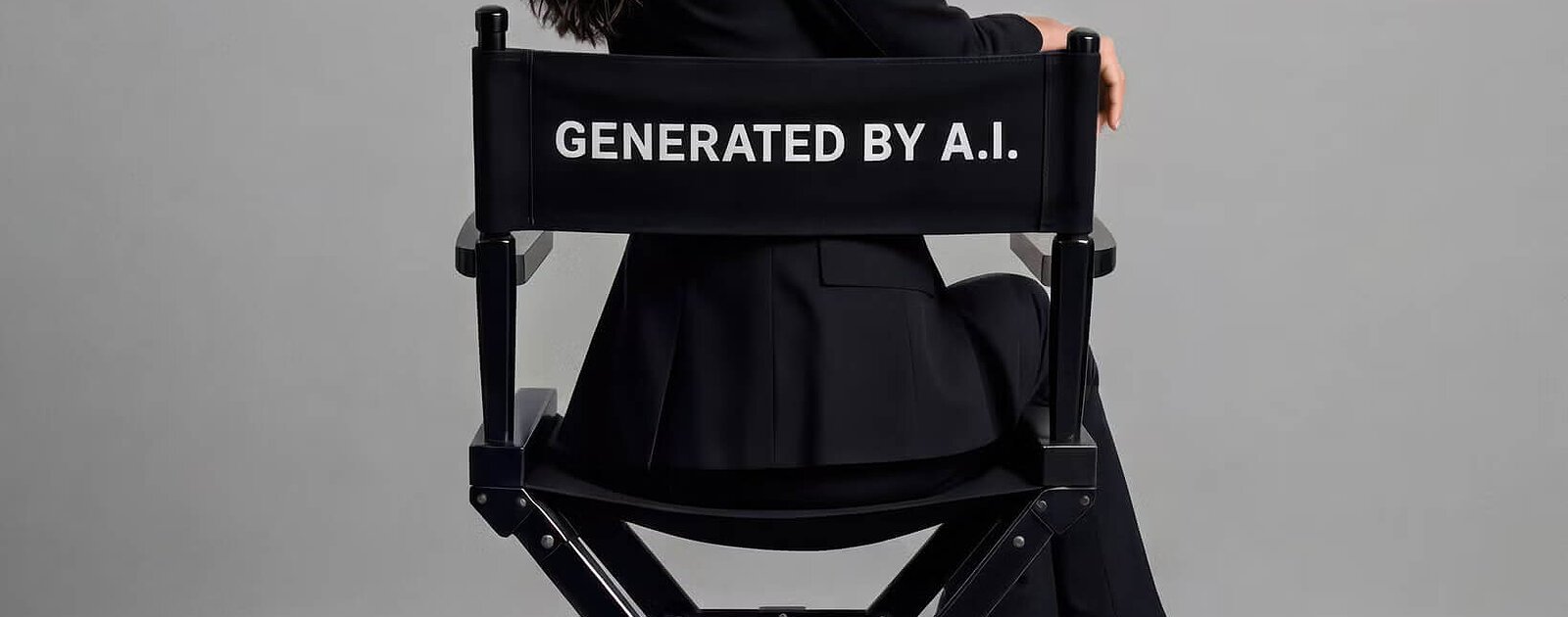
”“Global destruction is beyond my pay grade,” said actress Tilly Norwood in her September interview with CBS’s Leigh Kiniry.
Norwood, a generative AI created by producer Eline Van der Velden, is currently advertising her upcoming movie, “Misaligned,” and her recent entry into the film industry has become a source of great controversy and tension in Hollywood.
Though Norwood is strictly an actress, her newfound fame speaks to a greater fear in all sectors of art: Is AI the death of human creativity?
With AI-generated art becoming a sensation on social media, many artists wonder where their futures lie, and Tilly Norwood is only one example of how the film industry is encountering AI. As these machines climb to the forefront of society, people must pause to consider whether AI is a threat or an asset.
Visual Arts
Since the introduction of AI to creative industries, artists have expressed numerous frustrations about its ability to produce truly valuable art.
Many of these concerns are rooted in AI’s fundamental capabilities, which are limited to machine learning and synthesis. Essentially, that beautiful sunset landscape with rolling hills and four monarch butterflies is not an original piece, but rather the machine’s interpretation of various images synthesized into one. If AI is using other artists’ interpretations to produce its own, then it is not “creating” art. It is simply capitalizing on others’.
Moreover, career prospects for artists have become increasingly uncertain. Many artists earn their living through commissioned works, marketing campaigns and similar projects. When AI can produce pieces catering to specific prompts in under a minute, artists who spend months hand-creating an item may lose relevance in the industry. It is not unlikely that they could be obsolete within the next decade.
Still, not all uses of AI in art are inherently harmful to artists. Many have even begun to use it as a tool. Artists seeking visual references for a project, for example, can use AI’s wealth of resources to find images, shaving hours off the creative process. Digital artists can also rely on AI to complete tedious tasks like color matching and basic editing.
None of these pros or cons, however, address the philosophical question facing many artists and their audiences: Does AI-generated art possess the same inherent value as human-made art?
Depending on whether someone prefers art for its beauty or its meaning, they may have a different opinion on what makes art “valuable.” However, those who appreciate the latter might argue that AI lacks the basic human experience necessary to create deep, resonant artwork. Still, with its efficient and flawless execution, this fundamental hiccup may become increasingly less important to audiences in the grand scheme of things.
The Film Industry
Alongside the fine arts, entertainment media have become susceptible to AI’s pervasive influence.
Since Tilly Norwood entered the scene in May 2025, she has sparked numerous debates in Hollywood, gaining the attention of the Screen Actors Guild-American Federation of Television and Radio Artists. Their fears are similar to those of many other artists: Can robots really steal the jobs of professional, human actors? Tilly Norwood might prove that they can.
Her existence poses a threat to the next generation of aspiring young actors seeking to break into the industry. After all, why bother with the demands of Hollywood divas or inexperienced LA waitresses when you can train a machine to run their lines instead?
Outside of performers, however, much is at stake for the behind-the-scenes members of a film. Ted Mandell, Associate Teaching Professor in the Film, Television and Theatre (FTT) department at Notre Dame, recognizes the role that AI can play in efficient film production.
“It is much like the many digital tools we use already. AI essentially streamlines processes involved, like audio enhancing or organization of footage in editing,” Mandell says in an interview with Scholastic. “Will that perhaps eliminate an assistant editor’s role in a film, or replace a storyboard artist, even a writer? I’m sure it has already, depending on the scale of the production.”
Mandell’s second point raises an important question: What will happen to the man behind the curtain — the sound designers, colorists, and picture editors who trained for so long only to be dethroned by a computer?
Many directors and producers, including “The Odyssey’s” Christopher Nolan, have noted that AI simply cannot replace human creativity. Mandell expresses similar criticisms, noting the same concern held by visual artists.
“[AI] is inherently not creative when it comes to generating new ideas. If creativity is by its nature unique, then generative AI is inherently not creative since it is trained on pre-existing content, finding similarities rather than generating unique content,” Mandell writes.
The modern film industry has already been attacked for peddling the same old Hollywood cliches. It seems like AI will only perpetuate this conflict.
Originality aside, film, at its core, relies on the human experience. The best movies are relevant when the viewer can connect so deeply with them that they become immersed. Can AI replicate that same sense of humanity? Only time will tell. However, these machines become more intelligent and advanced as time wears on, and future generations will certainly see this impact on their big screens.
Ultimately, despite the turmoil it causes for artists, performers and producers, AI is not going anywhere. Therefore, we have no choice but to learn how to work alongside it rather than against it.
An effort like this will certainly look different for different industries. Visual artists, for example, may continue pursuing their craft, employing AI to market their work. Studios may create jobs for humans to manage and/or train AI to execute certain tasks. And actors may even see AI as an opportunity to enhance their features, enabling them to assume roles they may have aged out of.
None of these solutions are permanent, but all of them are viable for now as we navigate this new landscape.
Tilly Norwood said it herself: “I see AI as a new tool, a new paintbrush, if you will, rather than a replacement for human actors.”
The time may have come for humans to pick up this paintbrush and design a future with AI in view.

Related Posts