
It’s become a common pattern over the past few months: A business leader makes an ominous claim about the impact of AI on the labor market, sparking weeks of discourse and sending U.S. workers reeling. Now, a “godfather” of AI is pushing back on those claims—and warning about the dangers they spur. In an interview
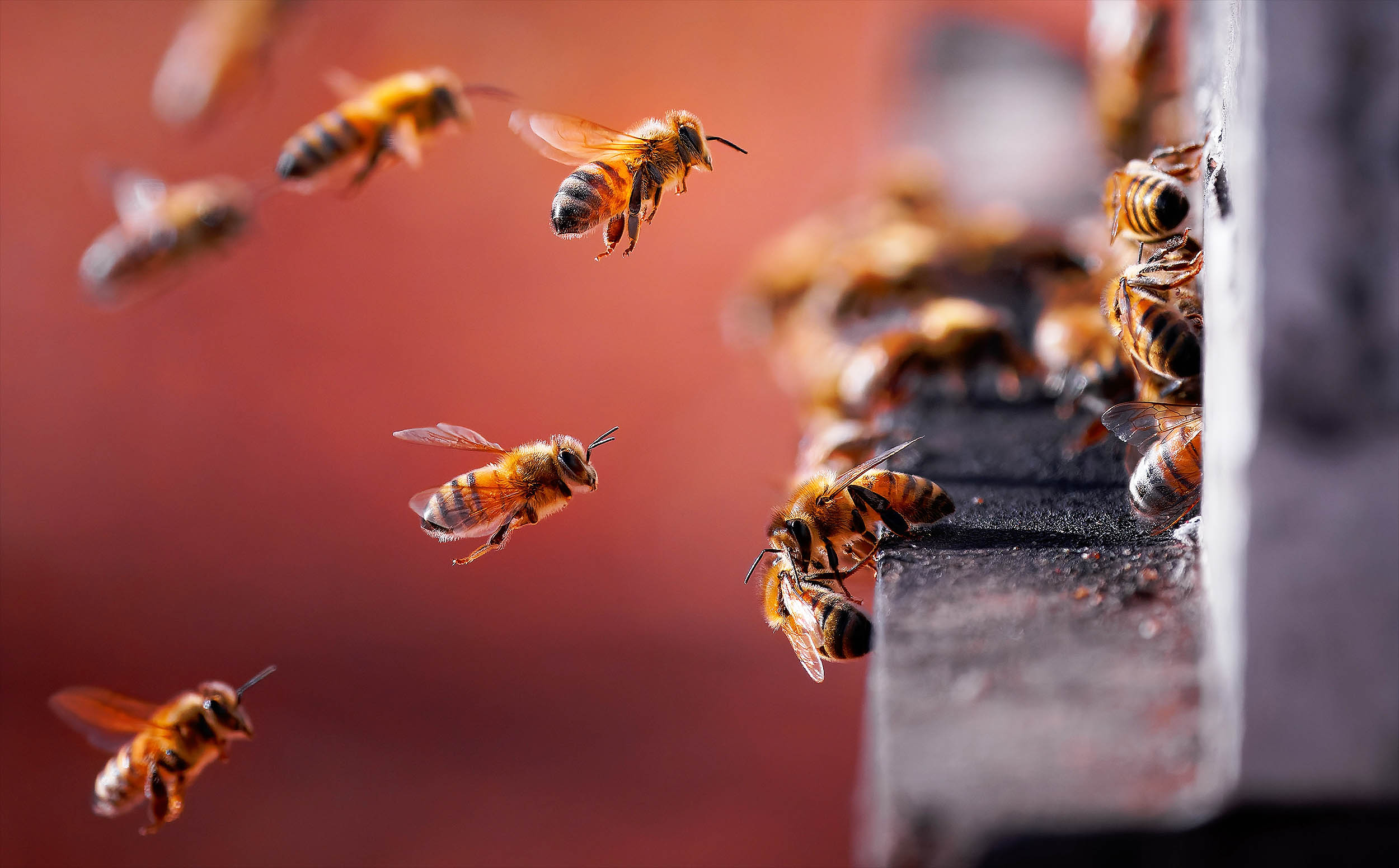
AI can identify insects by using radar to detect the flapping of their wings
A new study has found that radar can identify live insects like bees, bumblebees, and wasps by reading the tiny signal changes made by their wingbeats.
The data shows a new way to monitor pollinators without pinning, trapping, or killing them for a closer look.
Radar detects insect wing patterns

In 2023 tests at Trinity College Dublin, live insects moved in small plastic containers above a radar antenna.
By matching those reflected signals to wing movement, Dr. Adam Narbudowicz, at Technical University of Denmark (DTU) demonstrated that radar could sort insects by the rhythms of their wings.
Each wingbeat changed the returning signal in a distinct pattern, giving the model evidence that eyes and ordinary cameras miss.
The study is still dependent on close-range readings, but it opens a path beyond the hands-on insect counts many pollinator surveys require.
Pollinators support food systems
Pollinating insects help crops and wild plants make seeds by moving pollen between flowers during feeding and nesting trips.
The Food and Agriculture Organization (FAO) says three-fourths of the world’s most productive crop plants depend partly on pollinators.
A 27-year analysis in Germany protected areas estimated a 76% seasonal drop in the total weight of flying insects caught.
Better monitoring cannot fix this problem, but it reveals changes early enough for habitat protection and targeted surveys before decline worsens.
Movement becomes measurable
Researchers used millimeter-wave radar (mmWave), a short-wavelength radio system, to send a low-power signal toward each insect without touching it.
The signal operated at 30 gigahertz, meaning its waves cycled 30 billion times each second and could register tiny motion.
Every wing flap changed the echo’s timing and strength, leaving frequency traces that reflected movement rather than color or shape.
Because radar does not require a clear picture, it may work where cameras struggle with darkness, glare, rain, clutter, or crowded flowers.
AI trained to identify insects
Software handled the hard part after radar captured wing movement from honeybees, three bumblebee species, and common wasps.
The team trained machine learning, software that learns from examples, on more than 70 timing, energy, and rhythm features.
To keep the test fair, data from one insect never appeared in both training and testing groups.
By comparing patterns step by step, the model moved from broad family labels to genus labels and then species names.
Accuracy holds across tests
At the broadest level, the computer sorter separated bees and wasps with 96% accuracy across test recordings.
Moving one level deeper, it distinguished honeybee and bumblebee groups with a cumulative accuracy of 93%.
Across five species, final accuracy reached 85%, which means some close relatives still confused the system despite clear overall separation.
Those numbers make the method promising, but species labels still need expert training data and careful checking.
Longer signals improve accuracy
Longer wingbeat recordings gave the computer more clues, because repeated motion filled in the pattern.
With two seconds of signal, species-level accuracy reached 85%, matching the best reported result.
At 0.1 seconds, accuracy fell to 75% because the signal did not capture enough wingbeat detail.
Field devices will need to keep insects inside the sensing zone long enough, because the whole reading depends on close range.
Multiple features assist identification
A feature-importance analysis, a ranking of clues the software used, showed the speed was not enough.
Some mmWave echoes showed how fast the signal’s shape changed as wings accelerated, paused, or steadied.
Other clues tracked frequency bands, ranges of signal rate, as energy spread across different wingbeat patterns.
That richer profile helped the model separate species that might look similar during a quick visual check.
Gaps in current approach
Small containers kept each insect near the antenna, which made the laboratory signals easier to collect.
Natural flight will add distance changes, wind, background reflections, and brief passes through the radar beam among leaves and stems.
Training data also covered only five species, so a wider radar library must come before broad use.
“Contrary to visual images, such databases do not yet exist,” wrote Narbudowicz and colleagues.
Insects, radar, and the future
Future devices could guide insects through a brief sensing path and release them unharmed after recording.
Regional records would then help models learn local bees, wasps, pests, and invasive insects.
Existing communication hardware may help, since newer phone networks already use mmWave technology for short-range data transfer.
Real value will arrive when radar reports connect species identity with changes in place, season, and behavior.
Radar wingbeat identification links a living insect’s movement to a name without rendering the insect a specimen.
Its next test is scale, because field systems must handle more species, rougher conditions, and local training data before managers can trust alerts.
The study is published in PNAS Nexus.
—–
Like what you read? Subscribe to our newsletter for engaging articles, exclusive content, and the latest updates.
Check us out on EarthSnap, a free app brought to you by Eric Ralls and Earth.com.
—–

Related Posts