
“AI models will have a deep understanding of your data,” he says. “But ... Accelerate Your Machine Learning Workflows with Snowpark ML. Using ...
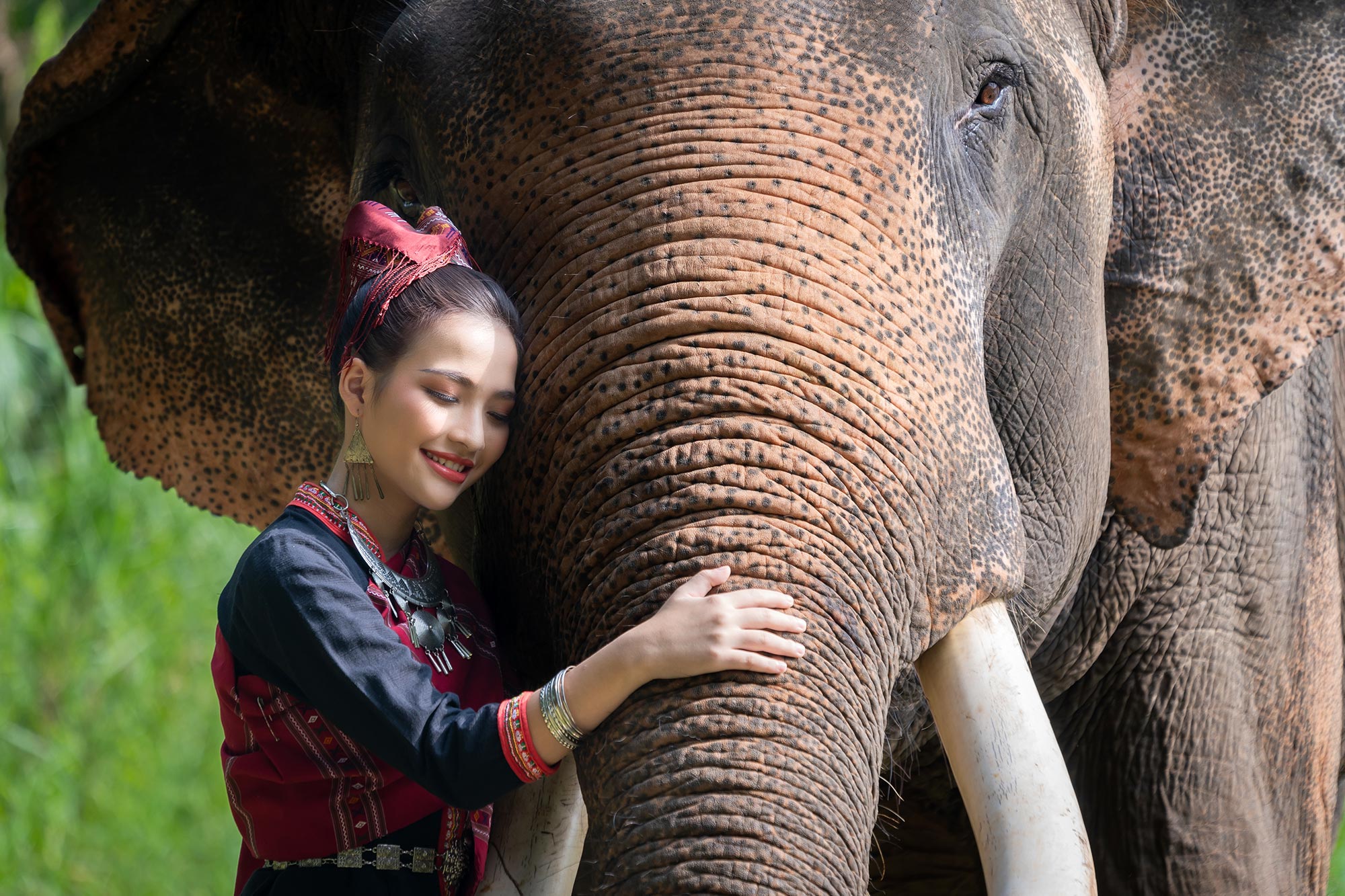
AI Wildlife Videos Are Fooling Millions and Putting Real Animals at Risk
A study from the UCO calls for stronger media literacy and student training to help address the issues caused by the spread of AI-generated biodiversity videos.
A widely circulated social media video shows a leopard walking into a backyard where a child is playing, followed by a house cat boldly confronting the leopard and driving it away. The clip has earned more than a million “likes” and has been shared over 15,000 times.
Other popular videos depict bears or deer bouncing on a backyard trampoline, and in another example, three raccoons are shown drifting down a river while standing on the backs of three crocodiles. All of these scenes are produced by artificial intelligence, and their high level of realism makes them appear authentic.
Consequences for wildlife knowledge and perception
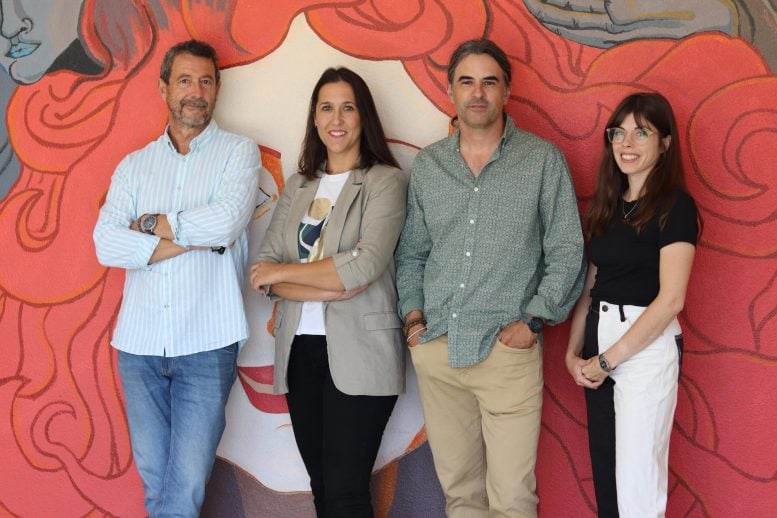
As videos like these become more common and scientific research on the topic remains limited, researchers from the GESBIO group at the University of Cordoba—José Guerrero, Francisco Sánchez, Antonio Carpio, Rocío Serrano, and Tamara Murillo—have examined how AI-generated wildlife content affects public understanding and conservation of wild species.
Their analysis of the most frequently shared videos reveals several major concerns: misinterpretations of how wild animals behave (for example, it is extremely unlikely that a leopard would enter a backyard or that a cat could scare one away), the projection of human-like traits onto animals, and a growing disconnect between people and the natural world.
“They reflect characteristics, behaviors, habitats, or relationships between species that are not real. For example, we see predators and prey playing. They show us animals with human behaviors that are far from reality,” explains José Guerrero. “The video of the child playing in the yard, the one featuring the leopard, undermines the conservation of a species like this, as you will never encounter it in that situation,” he continues.
“There is already a total disconnect between citizens and wildlife, which is particularly pronounced among primary school children, as we saw in the IncluScienceMe project, which demonstrates a lack of knowledge of local fauna among young children. These videos create false connections with nature, as vulnerable species appear more abundant in these videos, and that is negative for conservation,” points out Rocío Serrano.
These videos also cause frustration among young children, who expect to go out into the countryside and find a capybara, or have a wild animal come up to greet them. “If young children go out into the countryside and don’t find these animals with more charismatic or magical characteristics and behaviors, it has the opposite effect in terms of connection,” she emphasizes.
Because children learn largely through visual content, these videos create misleading impressions about wildlife. The impact is heightened by the increasing reliance on social media for information, especially among younger audiences.
Impact on exotic pet demand and public behavior
“We are faced with another serious problem: the demand for exotic species as pets,” says Tamara Murillo. Exposure to these exotic and charismatic animals, which are assigned sociable temperaments, makes more and more people want to have them at home.
The strategies proposed by the team include media literacy providing citizens with tools to question and verify information by turning to reliable sources, and “trying to introduce environmental knowledge into school curricula, clarifying concepts such as native, what an exotic species is, and ensuring that children understand from an early age that there are no lions here,” recalls Francisco Sánchez.
This qualitative work, published in the Conservation Issues section of the journal Conservation Biology, opens up a line of study that had not been explored until now and promotes further research into the effects of AI-generated content on biodiversity conservation.
Reference: “Threats to conservation from artificial-intelligence-generated wildlife images and videos” by José Guerrero-Casado, Tamara Murillo-Jiménez, Antonio J. Carpio, Francisco S. Tortosa and Rocío Serrano-Rodríguez, 3 September 2025, Conservation Biology.
DOI: 10.1111/cobi.70138
Never miss a breakthrough: Join the SciTechDaily newsletter.
Follow us on Google and Google News.

Related Posts