Review Shengming Zhang 1 , MSc, BSc ; Chaohai Zhang 1 , BSc ; Jiaxin Zhang 1, 2 , PhD 1School of Automation and Intelligent Manufacturing, Southern University of Science and Technology, Shenzhen, Guangdong, China 2Guangdong Provincial Key Laboratory of Fully Actuated System Control Theory and Technology, School of Automation and Intelligent Manufacturing, Southern University of Science
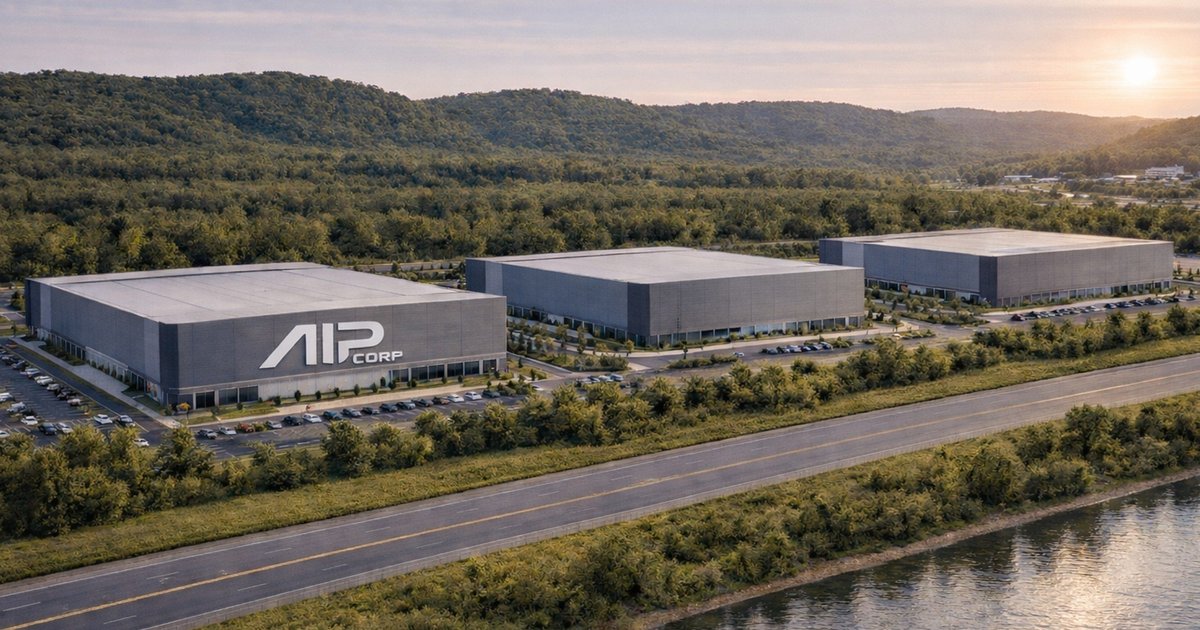
Caterpillar: Meeting Power Demands of AI-Driven Computing
As AI workloads push data centre energy requirements to unprecedented levels, power infrastructure providers are developing specialised solutions.
A recent partnership between American Intelligence & Power Corporation, Caterpillar and Boyd CAT demonstrates how the industry is responding to the unique power demands of AI-driven computing.
The collaboration centres on delivering 2 GW of dedicated onsite power generation designed specifically for hyperscale AI data centres. The initiative supports the development of the Monarch Compute Campus in West Virginia, a multi-phase power generation platform engineered to address the growing energy requirements that AI workloads create.
American Intelligence & Power Corp has ordered 2 GW of fast-response natural gas generator sets from Caterpillar, according to a purchase agreement between the companies, with equipment deliveries scheduled between September 2026 and August 2027.
The Monarch Compute Campus operates as a behind-the-meter solution, offering hyperscale and enterprise data centre operators access to high-reliability power without adding pressure to public electricity grids.
Addressing AI workload characteristics
AI data centres present distinct challenges for power infrastructure. These facilities are characterised by extreme load variability and high-density compute environments that demand fast-response and stable power delivery.
The computational processes involved in training and running large-scale AI models can create rapid fluctuations in energy consumption, requiring power systems capable of responding within seconds rather than minutes.

To address these requirements, the Monarch platform combines natural gas generation with battery energy storage systems designed to absorb rapid load swings while maintaining power quality.
This hybrid approach provides the responsiveness that AI operations require while ensuring consistent performance during periods of peak demand.
“This strategic alliance reflects a shared commitment to delivering reliable, scalable and capital-efficient power solutions on an accelerated timeline,” says Daniel Shapiro, CEO of American Intelligence & Power Corp.
“Our design is purpose-built for AI data centre operations, combining fast-response natural gas generation with battery energy storage to manage rapid load variability and deliver consistent power quality at scale.”
Fast-response generation technology
The power platform is built around Caterpillar G3516 fast-response natural gas generator sets. These units are engineered for continuous-duty operation and can ramp from zero to full load in approximately seven seconds, a capability essential for AI workloads that fluctuate sharply.
“This collaboration reflects Caterpillar and our dealers’ continued focus on supporting customers that require primary, continuous-duty power at scale through our broad energy solutions portfolio,” says Melissa Busen, Senior Vice President of Electric Power at Caterpillar.
“Projects like Monarch demonstrate how Caterpillar’s natural gas generation platforms are being deployed as core infrastructure for data centres and other power-intensive applications where reliability, speed of deployment and lifecycle performance are critical.”
The generators will operate on natural gas and incorporate advanced emissions controls, including selective catalytic reduction, to meet ultra-low emissions standards.
For data centre operators balancing sustainability targets with power availability, emissions performance is becoming an increasingly important factor in on-site generation decisions.
Self-supplied power infrastructure
Monarch is designed as a fully self-supplied power platform that does not require incremental utility transmission or distribution infrastructure. Power is generated onsite, reducing dependency on constrained regional grids and enabling faster deployment of data centre capacity.
Boyd CAT will provide technical expertise and long-term service capability across the lifecycle of the equipment.
“Our customers depend on us for reliability, responsiveness and deep technical support, and this project is a powerful example of that commitment,” says Andrew Boyd, President & CEO of Boyd CAT.
With its existing West Virginia microgrid designation, the project is structured to avoid increasing rates or adding costs for existing utility customers while contributing to broader grid resilience.
For hyperscale operators facing delays due to power availability, the Monarch model reflects a growing shift toward dedicated generation platforms that align energy delivery directly with data centre development timelines.

Related Posts