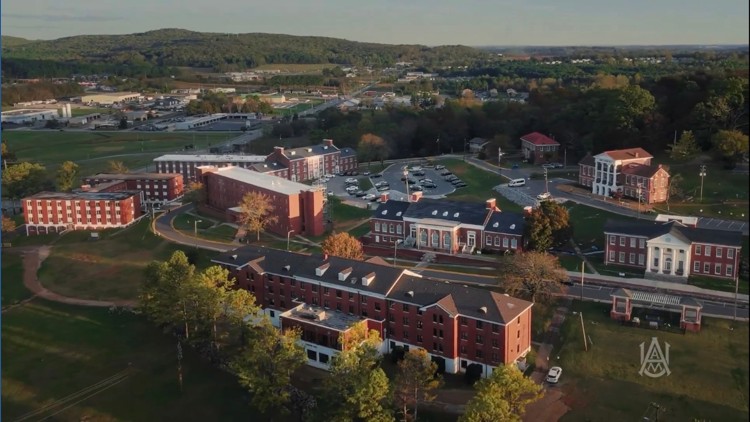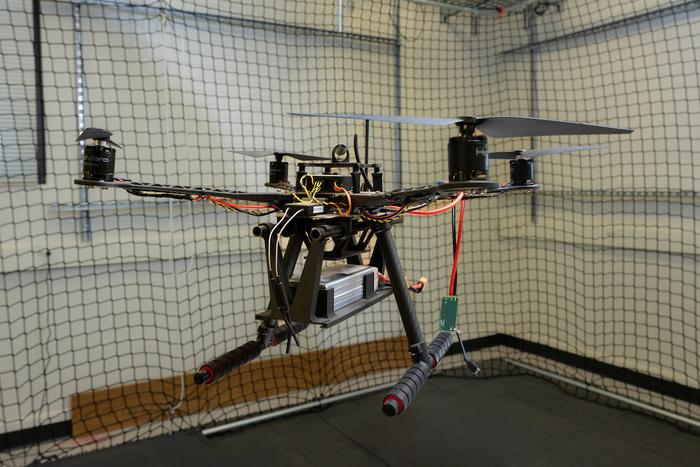
Alabama A&M University (AAMU) has been selected as a regional lead institution for Amazon Web Services–Machine Learning University (AWS-MLU), further elevating the university's role as a leader in artificial intelligence and machine learning education, research and workforce development. AAMU joins Delaware State University, Howard University, City Colleges of Chicago and Oklahoma City Community College as
How AI and machine vision are revolutionising cheese-making – Drives&Controls
 27 March 2026

A German cheese-maker is using a vision system and machine-learning algorithms to detect any defects in its cheeses, thus boosting its efficiency, reducing its need for manual inspections, cutting waste, and improving quality control.
Cheese consumption is booming globally, and producers are facing increasing challenges as they scale production. Labour shortages are driving dairies to adopt automation to increase their efficiency. Sustainability is also becoming a key concern, with an increased focus on reducing waste and conserving resources.
At the same time, consumers are demanding higher-quality products with more variety, further intensifying pressure on producers.
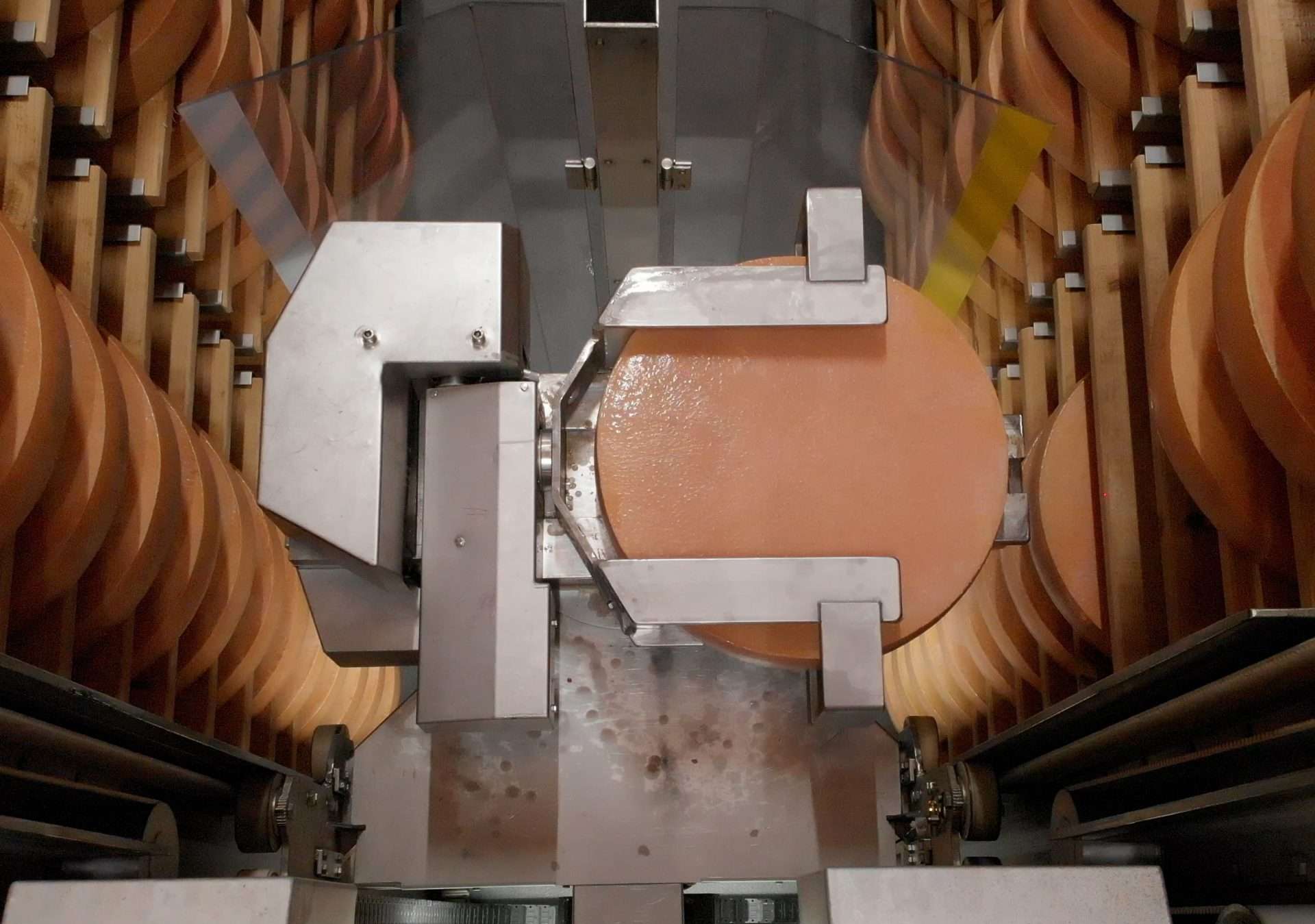
Baldauf Käse is a family-owned German dairy located in the Allgäu region of southern Germany. Founded in 1862, its specialises in traditional cheeses made from locally sourced hay milk. To tackle these issues, it has commissioned an automated cheese-monitoring system, that combines a mobile robot and a machine vision system.
The process begins by inspecting wheels of cheese for defects, such as mould or blemishes. A 4K camera captures high-resolution images, which are analysed using advanced machine-vision algorithms in MVTec’s Halcon software. The software uses deep-learning techniques to detect anomalies, reducing process deviations and waste.
The data is stored and can be accessed via a Web interface, enabling remote monitoring and control. Simultaneously, the mobile robot checks the cheese wheels to ensure that the rind is forming correctly and that any unwanted smear layers are removed. The system not only reduces the need for manual inspection, but also improves the consistency and quality of the final product.
A significant challenge when developing the inspection system was the natural variability of cheese. Each wheel is different and undergoes significant changes during the ripening process, making rule-based machine vision methods less effective.

“The cheese-ripening process, which can last up to 14 months, requires constant monitoring to avoid mould and ensure quality,” explains Dorian Köpfle, a machine vision engineer with Eberle Automatische Systeme, which developed the system. “Manually inspecting thousands of cheese wheels is virtually impossible, which is why Baldauf, a traditional dairy, turned to us for an automated solution.”
Eberle’s aim was not only to automate the inspection process, but also to integrate AI into the cheese-ripening workflow. Currently, the system performs real-time inspections and autonomous care, with minimal human involvement. Eberle is now refining it to handle all types of cheese at all stages of ripening, with the long-term goal of creating a fully automated, AI-driven system that needs no human input.
The system also provides the basis for future digitalisation programmes, with the potential to be integrated into larger digital platforms, such as ERP systems and the cloud, to enhance the production processes further.
Eberle has used AI and deep learning to create a system that adapts to the unique characteristics of each wheel of cheese. By training a deep-learning network with a large dataset of cheese images, the Halcon software detects defects such as cracks, mould and discoloration reliably, while ignoring the natural variations inherent in the process. Even subtle anomalies are spotted, allowing for earlier intervention and better quality control.
The automated system is delivering several key benefits for Baldauf, including:
- Increased efficiency The mobile robot operates autonomously, reducing labour costs while ensuring that each wheel of cheese is inspected thoroughly.
- Reduced waste Early detection of mould or defects allows for timely intervention, preventing cheeses being rejected, and cutting waste.
- Improved quality control The system ensures more consistent, less subjective inspection by replacing manual methods with AI. It achieves a 100% inspection rate, applying the same inspection criteria throughout.
- Traceability The industrial image-processing technology ensures complete traceability. All of the inspection results are stored digitally, allowing better decision-making and long-term process optimisation.
Building on the success of the project, Eberle is now scaling the technology to meet the needs of the whole cheese industry. It is planning to standardise the system and integrate it with both mobile and stationary robots for cheese production worldwide.
The system’s AI capabilities are continuing to evolve. Eberle wants to refine the deep-learning models to handle different types of cheese, and different ripening stages, allowing fully automated classification and inspection.

Related Posts