
YY Group (NASDAQ: YYGH) Appoints Arros AI Co-Founder Kai Yang as Chief AI Scientist to Accelerate AI-Powered Workforce Platform Development YY Group (NASDAQ: YYGH) Appoints Arros AI Co-Founder Kai Yang as Chief AI Scientist to Accelerate AI-Powered Workforce Platform Development PR Newswire SINGAPORE, March 24, 2026 Appointment Deepens the Company's AI Capabilities as It Scales
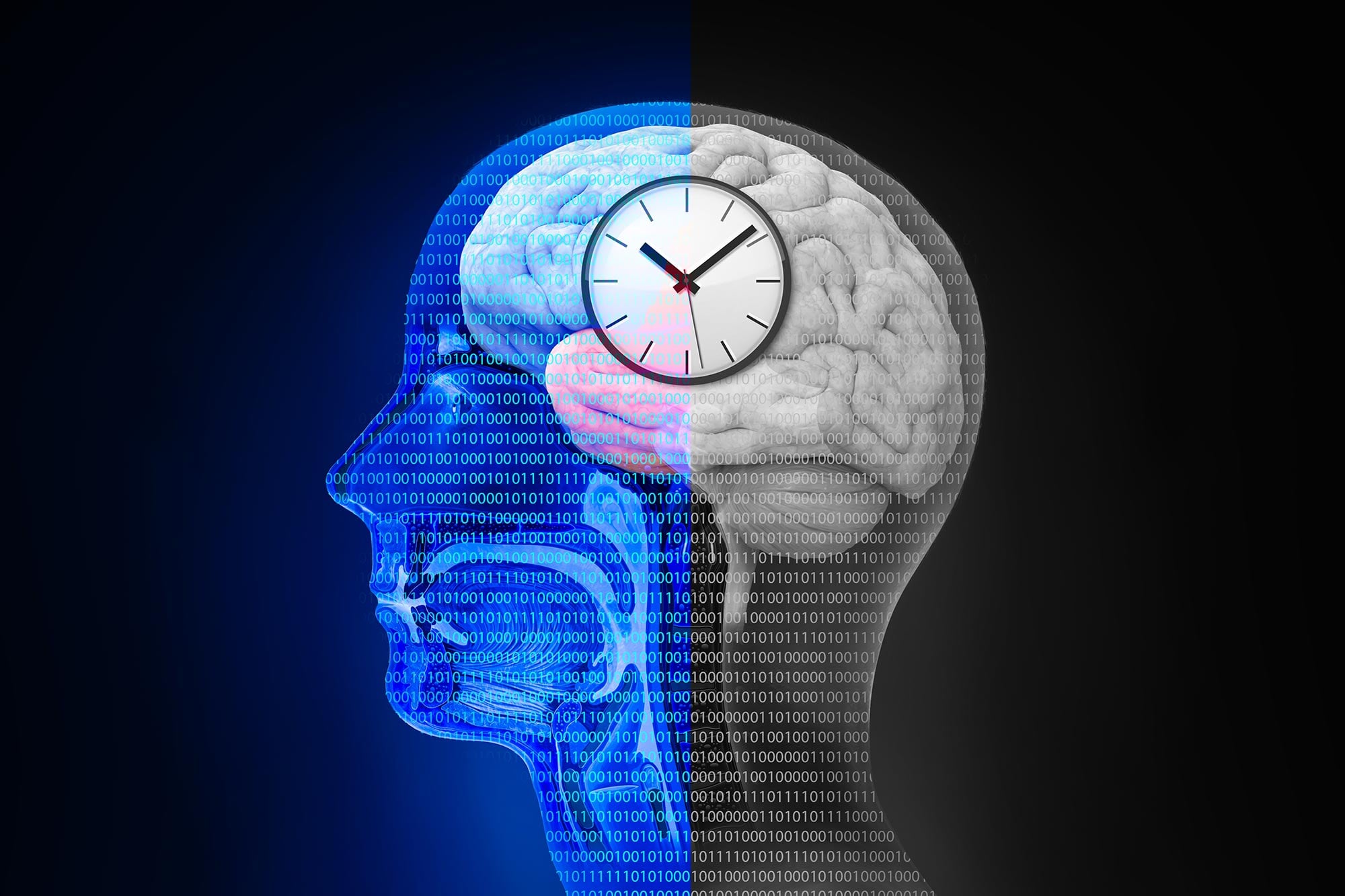
This AI Tool Can Tell If Your Brain Is Aging Too Fast
A hidden signature in sleep brain waves may quietly track how the brain ages.
to develop dementia. The research, led by UC San Francisco and Beth Israel Deaconess Medical Center in Boston, used machine learning to analyze brain waves recorded overnight.
The team focused on a measure called “brain age,” which is estimated from sleep EEG signals. When this brain-based age was higher than a person’s actual age, the likelihood of developing dementia increased.
Each 10-year gap in which brain age exceeded chronological age was linked to nearly a 40% rise in dementia risk. In contrast, people whose brain age appeared younger than their actual age had a lower risk.
The findings were published in JAMA Network Open on March 19.
To reach these conclusions, researchers built a machine-learning model that examines 13 detailed features of brain wave activity. They applied it to data from about 7,000 individuals who participated in five separate studies.
Participants ranged from 40 to 94 years old and had no signs of dementia at enrollment. They were tracked for periods ranging from 3.5 to 17 years, during which roughly 1,000 individuals were diagnosed with the condition.
The analysis revealed that subtle patterns in sleep brain waves can offer clues that standard sleep measurements often miss. Earlier combined analyses of multiple study groups found no meaningful connection between dementia risk and common sleep metrics such as time spent in different sleep stages or overall sleep efficiency.
“Broad sleep metrics don’t fully capture the complex multidimensional nature of sleep physiology,” said senior author Yue Leng, MBBS, PhD, associate professor of psychiatry at the UCSF School of Medicine.
Brain-Wave Patterns Linked to Cognitive Health
Specific EEG features tied to brain age are already known to support memory and overall brain function. These include delta waves, which are linked to deep sleep, and sleep spindles, which are brief bursts of fast brain activity associated with memory consolidation.
One notable result involved sharp, high-amplitude spikes in brain activity, referred to as kurtosis. These signals were associated with a reduced risk of dementia.
The link between an “older” brain age and higher dementia risk remained strong even after accounting for factors such as education, smoking, body mass index, physical activity, other health conditions, and genetic risk.
Potential for Early Detection
Because EEG signals can be recorded without invasive procedures, the researchers suggest that estimating brain age could eventually be used outside clinical settings, including through wearable devices.
“Brain age is calculated from sleep brain waves,” said Leng. “We know that brain activity during sleep provides a measurable window into how well the brain is aging.”
The results also hint that improving sleep quality may influence how the brain ages. Leng pointed to earlier research showing that treating sleep disorders can alter brain wave patterns linked to sleep.
“Better body management, such as lowering body mass index and increasing exercise to reduce the likelihood of apnea, may have an impact,” said first author Haoqi Sun, PhD, assistant professor of neurology at Beth Israel Deaconess Medical Center, who developed the model with two co-authors*. “But there’s no magic pill to improve brain health.”
Reference: “Machine Learning–Based Sleep Electroencephalographic Brain Age Index and Dementia Risk: An Individual Participant Data Meta-Analysis” by Haoqi Sun, Sasha Milton, Yi Fang, Hash Brown Taha, Shreya Shiju, Robert J. Thomas, Wolfgang Ganglberger, Matthew P. Pase, Timothy Hughes, Shaun Purcell, Susan Redline, Katie L. Stone, Kristine Yaffe, M. Brandon Westover and Yue Leng, 19 March 2026, JAMA Network Open.
DOI: 10.1001/jamanetworkopen.2026.1521
Funding: National Institutes of Health (R01NS102190, R01NS102574, R01NS107291, RF1AG064312, RF1NS120947, R01AG073410, RF1AG064312, R01NS102190, R01AG062531); National Institute on Aging (R21AG085495 and R01AG083836); National Science Foundation (2014431); National Health and Medical Research Council (GTN2009264); American Academy of Sleep Medicine.
Never miss a breakthrough: Join the SciTechDaily newsletter.
Follow us on Google and Google News.

Related Posts