The grounds have shifted the foundations of academic core facilities and the current climate demands their strategic agility in order to thrive. Boyd Butler at Molecular Devices reveals how these labs can capitalise on this opportunity to increase value and efficiency. Academic core laboratories are at an interesting inflection point. Once considered subsidised institutional necessities
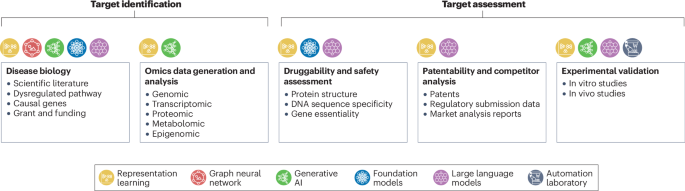
Target identification and assessment in the era of AI – Nature Reviews Drug Discovery
Finan, C. et al. The druggable genome and support for target identification and validation in drug development. Sci. Transl. Med. 9, eaag1166 (2017).
Article PubMed PubMed Central Google Scholar
Zhou, Y. et al. TTD: therapeutic target database describing target druggability information. Nucleic Acids Res. 52, D1465–D1477 (2024).
Article PubMed PubMed Central Google Scholar
Acharya, K. R., Sturrock, E. D., Riordan, J. F. & Ehlers, M. R. ACE revisited: a new target for structure-based drug design. Nat. Rev. Drug. Discov. 2, 891–902 (2003).
Article CAS PubMed PubMed Central Google Scholar
Zaman, M. A., Oparil, S. & Calhoun, D. A. Drugs targeting the renin–angiotensin–aldosterone system. Nat. Rev. Drug. Discov. 1, 621–636 (2002).
Article CAS PubMed Google Scholar
Slamon, D. J. et al. Human breast cancer: correlation of relapse and survival with amplification of the HER-2/neu oncogene. Science 235, 177–182 (1987).
Article CAS PubMed Google Scholar
Davies, H. et al. Mutations of the BRAF gene in human cancer. Nature 417, 949–954 (2002).
Article CAS PubMed Google Scholar
Sabatine, M. S. PCSK9 inhibitors: clinical evidence and implementation. Nat. Rev. Cardiol. 16, 155–165 (2019).
Article CAS PubMed Google Scholar
Nelson, M. R. et al. The support of human genetic evidence for approved drug indications. Nat. Genet. 47, 856–860 (2015).
Article CAS PubMed Google Scholar
Pietzner, M. et al. Mapping the proteo-genomic convergence of human diseases. Science 374, eabj1541 (2021).
Article PubMed PubMed Central Google Scholar
McDonagh, E. M. et al. Human genetics and genomics for drug target identification and prioritization: Open Targets’ perspective. Annu. Rev. Biomed. Data Sci. 7, 59–81 (2024).
Article PubMed Google Scholar
Minikel, E. V., Painter, J. L., Dong, C. C. & Nelson, M. R. Refining the impact of genetic evidence on clinical success. Nature 629, 624–629 (2024).
Article CAS PubMed PubMed Central Google Scholar
Plenge, R. M., Scolnick, E. M. & Altshuler, D. Validating therapeutic targets through human genetics. Nat. Rev. Drug. Discov. 12, 581–594 (2013).
Article CAS PubMed Google Scholar
Plenge, R. M. Disciplined approach to drug discovery and early development. Sci. Transl. Med. 8, 349ps315 (2016).
Article Google Scholar
Michoel, T. & Zhang, J. D. Causal inference in drug discovery and development. Drug. Discov. Today 28, 103737 (2023).
Article CAS PubMed Google Scholar
Zhu, Z. et al. Integration of summary data from GWAS and eQTL studies predicts complex trait gene targets. Nat. Genet. 48, 481–487 (2016).
Article CAS PubMed Google Scholar
Bretherick, A. D. et al. Linking protein to phenotype with Mendelian randomization detects 38 proteins with causal roles in human diseases and traits. PLoS Genet. 16, e1008785 (2020).
Article CAS PubMed PubMed Central Google Scholar
Zhao, J. H. et al. Genetics of circulating inflammatory proteins identifies drivers of immune-mediated disease risk and therapeutic targets. Nat. Immunol. 24, 1540–1551 (2023).
Article CAS PubMed PubMed Central Google Scholar
Pavlidis, P. et al. Interleukin-22 regulates neutrophil recruitment in ulcerative colitis and is associated with resistance to ustekinumab therapy. Nat. Commun. 13, 5820 (2022).
Article CAS PubMed PubMed Central Google Scholar
Tsherniak, A. et al. Defining a cancer dependency map. Cell 170, 564–576.e16 (2017).
Article CAS PubMed PubMed Central Google Scholar
Gonzalez, G. et al. Combinatorial prediction of therapeutic perturbations using causally inspired neural networks. Nat. Biomed. Eng. https://doi.org/10.1038/s41551-025-01481-x (2025).
Article PubMed Google Scholar
Cheng, A. C. et al. Structure-based maximal affinity model predicts small-molecule druggability. Nat. Biotechnol. 25, 71–75 (2007).
Article PubMed Google Scholar
Bennett, C. F. Therapeutic antisense oligonucleotides are coming of age. Annu. Rev. Med. 70, 307–321 (2019).
Article CAS PubMed Google Scholar
Qin, S. et al. mRNA-based therapeutics: powerful and versatile tools to combat diseases. Signal. Transduct. Target. Ther. 7, 166 (2022).
Article CAS PubMed PubMed Central Google Scholar
Sadelain, M., Riviere, I. & Riddell, S. Therapeutic T cell engineering. Nature 545, 423–431 (2017).
Article CAS PubMed PubMed Central Google Scholar
Abramson, J. et al. Accurate structure prediction of biomolecular interactions with AlphaFold 3. Nature 630, 493–500 (2024).
Article CAS PubMed PubMed Central Google Scholar
Brennan, R. J. Target safety assessment: strategies and resources. Methods Mol. Biol. 1641, 213–228 (2017).
Article CAS PubMed Google Scholar
Brennan, R. J. et al. The state of the art in secondary pharmacology and its impact on the safety of new medicines. Nat. Rev. Drug. Discov. https://doi.org/10.1038/s41573-024-00942-3 (2024).
Article PubMed Google Scholar
Simonovsky, M. & Meyers, J. DeeplyTough: learning structural comparison of protein binding sites. J. Chem. Inf. Model. 60, 2356–2366 (2020).
Article CAS PubMed Google Scholar
Pun, F. W., Ozerov, I. V. & Zhavoronkov, A. AI-powered therapeutic target discovery. Trends Pharmacol. Sci. 44, 561–572 (2023).
Article CAS PubMed Google Scholar
Spring, L., Demuren, K., Ringel, M. & Wu, J. First-in-class versus best-in-class: an update for new market dynamics. Nat. Rev. Drug. Discov. 22, 531–532 (2023).
Article CAS PubMed Google Scholar
Long, X. et al. AI-enabled cancer target prioritization with optimal profiles balancing novelty, confidence and commercial tractability. Future Medicine AI https://doi.org/10.2217/fmai-2023-0019 (2024).
Hill, J. A. & Cowen, L. E. Using combination therapy to thwart drug resistance. Future Microbiol. 10, 1719–1726 (2015).
Article CAS PubMed Google Scholar
Wen, P. Y. et al. Dabrafenib plus trametinib in patients with BRAFV600E-mutant low-grade and high-grade glioma (ROAR): a multicentre, open-label, single-arm, phase 2, basket trial. Lancet Oncol. 23, 53–64 (2022).
Article CAS PubMed Google Scholar
Subbiah, V. et al. Dabrafenib plus trametinib in BRAFV600E-mutated rare cancers: the phase 2 ROAR trial. Nat. Med. 29, 1103–1112 (2023).
Article CAS PubMed PubMed Central Google Scholar
Choueiri, T. K. et al. Cabozantinib plus nivolumab and ipilimumab in renal-cell carcinoma. N. Engl. J. Med. 388, 1767–1778 (2023).
Article CAS PubMed PubMed Central Google Scholar
Owonikoko, T. K. et al. Nivolumab and ipilimumab as maintenance therapy in extensive-disease small-cell lung cancer: CheckMate 451. J. Clin. Oncol. 39, 1349–1359 (2021).
Article CAS PubMed PubMed Central Google Scholar
Lenz, H. J. et al. First-line nivolumab plus low-dose ipilimumab for microsatellite instability-high/mismatch repair-deficient metastatic colorectal cancer: the phase II CheckMate 142 study. J. Clin. Oncol. 40, 161–170 (2022).
Article CAS PubMed Google Scholar
Barry, M., Mulcahy, F. & Back, D. J. Antiretroviral therapy for patients with HIV disease. Br. J. Clin. Pharmacol. 45, 221–228 (1998).
Article CAS PubMed PubMed Central Google Scholar
Lathouwers, E. et al. Week 48 resistance analyses of the once-daily, single-tablet regimen darunavir/cobicistat/emtricitabine/tenofovir alafenamide (D/C/F/TAF) in adults living with HIV-1 from the phase III randomized AMBER and EMERALD trials. AIDS Res. Hum. Retroviruses 36, 48–57 (2020).
Article CAS PubMed Google Scholar
Powles, T. et al. Enfortumab vedotin and pembrolizumab in untreated advanced urothelial cancer. N. Engl. J. Med. 390, 875–888 (2024).
Article CAS PubMed Google Scholar
Hoimes, C. J. et al. Enfortumab vedotin plus pembrolizumab in previously untreated advanced urothelial cancer. J. Clin. Oncol. 41, 22–31 (2023).
Article CAS PubMed Google Scholar
Eadie, A. L., Brunt, K. R. & Herder, M. Exploring the Food and Drug Administration’s review and approval of Entresto (sacubitril/valsartan). Pharmacol. Res. Perspect. 9, e00794 (2021).
Article PubMed PubMed Central Google Scholar
Mann, D. L. et al. Effect of treatment with sacubitril/valsartan in patients with advanced heart failure and reduced ejection fraction: a randomized clinical trial. JAMA Cardiol. 7, 17–25 (2022).
Article PubMed PubMed Central Google Scholar
Vaduganathan, M. et al. Sacubitril/valsartan in heart failure with mildly reduced or preserved ejection fraction: a pre-specified participant-level pooled analysis of PARAGLIDE-HF and PARAGON-HF. Eur. Heart J. 44, 2982–2993 (2023).
Article CAS PubMed PubMed Central Google Scholar
Zeng, Z. et al. Deep learning for cancer type classification and driver gene identification. BMC Bioinforma. 22, 491 (2021).
Article CAS Google Scholar
Kim, D. et al. An evolution-based machine learning to identify cancer type-specific driver mutations. Brief. Bioinform 24, bbac593 (2023).
Article PubMed Google Scholar
Chakraborty, S., Hosen, M. I., Ahmed, M. & Shekhar, H. U. Onco-multi-OMICS approach: a new frontier in cancer research. Biomed. Res. Int. 2018, 9836256 (2018).
Article PubMed PubMed Central Google Scholar
Schulte-Sasse, R., Budach, S., Hnisz, D. & Marsico, A. Integration of multiomics data with graph convolutional networks to identify new cancer genes and their associated molecular mechanisms. Nat. Mach. Intell. 3, 513–526 (2021).
Article Google Scholar
Sidorenko, D. et al. Precious2GPT: the combination of multiomics pretrained transformer and conditional diffusion for artificial multi-omics multi-species multi-tissue sample generation. npj Aging 10, 37 (2024).
Article PubMed PubMed Central Google Scholar
Cui, H. et al. scGPT: toward building a foundation model for single-cell multi-omics using generative AI. Nat. Methods 21, 1470–1480 (2024).
Article CAS PubMed Google Scholar
Chandrasekaran, S. N., Ceulemans, H., Boyd, J. D. & Carpenter, A. E. Image-based profiling for drug discovery: due for a machine-learning upgrade? Nat. Rev. Drug. Discov. 20, 145–159 (2021).
Article CAS PubMed Google Scholar
Phillip, J. M., Han, K.-S., Chen, W.-C., Wirtz, D. & Wu, P.-H. A robust unsupervised machine-learning method to quantify the morphological heterogeneity of cells and nuclei. Nat. Protoc. 16, 754–774 (2021).
Article CAS PubMed PubMed Central Google Scholar
Xue, Y., Wang, J., Ren, K. & Ji, J. Deep mining of subtle differences in cell morphology via deep learning. Adv. Theory Simul. 4, 2000172 (2021).
Article Google Scholar
Chandrasekaran, S. N. et al. JUMP Cell Painting dataset: morphological impact of 136,000 chemical and genetic perturbations. Preprint at bioRxiv https://doi.org/10.1101/2023.03.23.534023 (2023).
Rawat, W. & Wang, Z. Deep convolutional neural networks for image classification: a comprehensive review. Neural Comput. 29, 2352–2449 (2017).
Article PubMed Google Scholar
Ektefaie, Y., Dasoulas, G., Noori, A., Farhat, M. & Zitnik, M. Multimodal learning with graphs. Nat. Mach. Intell. 5, 340–350 (2023).
Article PubMed PubMed Central Google Scholar
Yu, S. et al. Integrating inflammatory biomarker analysis and artificial-intelligence-enabled image-based profiling to identify drug targets for intestinal fibrosis. Cell Chem. Biol. 30, 1169–1182.e8 (2023).
Article CAS PubMed PubMed Central Google Scholar
Atmaramani, R. et al. Deep learning analysis on images of iPSC-derived motor neurons carrying fALS-genetics reveals disease-relevant phenotypes. Preprint at bioRxiv https://doi.org/10.1101/2024.01.04.574270 (2024).
Szklarczyk, D. et al. The STRING database in 2023: protein–protein association networks and functional enrichment analyses for any sequenced genome of interest. Nucleic Acids Res. 51, D638–D646 (2023).
Article CAS PubMed PubMed Central Google Scholar
Oughtred, R. et al. The BioGRID database: a comprehensive biomedical resource of curated protein, genetic, and chemical interactions. Protein Sci. 30, 187–200 (2021).
Article CAS PubMed Google Scholar
Del Toro, N. et al. The IntAct database: efficient access to fine-grained molecular interaction data. Nucleic Acids Res. 50, D648–D653 (2022).
Article PubMed PubMed Central Google Scholar
Bader, G. D., Betel, D. & Hogue, C. W. BIND: the biomolecular interaction network database. Nucleic Acids Res. 31, 248–250 (2003).
Article CAS PubMed PubMed Central Google Scholar
Kanehisa, M., Furumichi, M., Sato, Y., Kawashima, M. & Ishiguro-Watanabe, M. KEGG for taxonomy-based analysis of pathways and genomes. Nucleic Acids Res. 51, D587–D592 (2023).
Article CAS PubMed PubMed Central Google Scholar
Milacic, M. et al. The Reactome pathway knowledgebase 2024. Nucleic Acids Res. 52, D672–D678 (2024).
Article CAS PubMed PubMed Central Google Scholar
Pico, A. R. et al. WikiPathways: pathway editing for the people. PLoS Biol. 6, e184 (2008).
Article PubMed PubMed Central Google Scholar
Gene Ontology, C. et al. The Gene Ontology knowledgebase in 2023. Genetics 224, iyad031 (2023).
Article Google Scholar
Zhang, Y. et al. A comprehensive large-scale biomedical knowledge graph for AI-powered data-driven biomedical research. Nat. Mach. Intell. 7, 602–614 (2025).
Article Google Scholar
Karki, R. et al. KGG: a fully automated workflow for creating disease-specific knowledge graphs. Bioinformatics 41, btaf383 (2025).
Article CAS PubMed PubMed Central Google Scholar
Chandak, P., Huang, K. & Zitnik, M. Building a knowledge graph to enable precision medicine. Sci. Data 10, 67 (2023).
Article PubMed PubMed Central Google Scholar
Dezso, Z. & Ceccarelli, M. Machine learning prediction of oncology drug targets based on protein and network properties. BMC Bioinforma. 21, 104 (2020).
Article CAS Google Scholar
Zhao, W., Gu, X., Chen, S., Wu, J. & Zhou, Z. MODIG: integrating multi-omics and multi-dimensional gene network for cancer driver gene identification based on graph attention network model. Bioinformatics 38, 4901–4907 (2022).
Article CAS PubMed Google Scholar
Kamya, P. et al. PandaOmics: an AI-driven platform for therapeutic target and biomarker discovery. J. Chem. Inf. Model. 64, 3961–3969 (2024).
Article CAS PubMed PubMed Central Google Scholar
Paliwal, S., de Giorgio, A., Neil, D., Michel, J. B. & Lacoste, A. M. Preclinical validation of therapeutic targets predicted by tensor factorization on heterogeneous graphs. Sci. Rep. 10, 18250 (2020).
Article CAS PubMed PubMed Central Google Scholar
Wang, S. et al. KG4SL: knowledge graph neural network for synthetic lethality prediction in human cancers. Bioinformatics 37, i418–i425 (2021).
Article CAS PubMed PubMed Central Google Scholar
Oliveira, A. L. Biotechnology, big data and artificial intelligence. Biotechnol. J. 14, e1800613 (2019).
Article PubMed Google Scholar
Chia, S. et al. Phenotype-driven precision oncology as a guide for clinical decisions one patient at a time. Nat. Commun. 8, 435 (2017).
Article PubMed PubMed Central Google Scholar
Bajwa, J., Munir, U., Nori, A. & Williams, B. Artificial intelligence in healthcare: transforming the practice of medicine. Future Healthc. J. 8, e188–e194 (2021).
Article PubMed PubMed Central Google Scholar
Gao, Z. et al. Artificial intelligence-based drug repurposing with electronic health record clinical corroboration: a case for ketamine as a potential treatment for amphetamine-type stimulant use disorder. Addiction 120, 732–744 (2025).
Article PubMed Google Scholar
Liu, R., Wei, L. & Zhang, P. A deep learning framework for drug repurposing via emulating clinical trials on real-world patient data. Nat. Mach. Intell. 3, 68–75 (2021).
Article PubMed PubMed Central Google Scholar
Coudray, N. et al. Classification and mutation prediction from non-small cell lung cancer histopathology images using deep learning. Nat. Med. 24, 1559–1567 (2018).
Article CAS PubMed PubMed Central Google Scholar
Morselli Gysi, D. et al. Network medicine framework for identifying drug-repurposing opportunities for COVID-19. Proc. Natl Acad. Sci. USA 118, e2025581118 (2021).
Article PubMed PubMed Central Google Scholar
Serrano Nájera, G., Narganes Carlón, D. & Crowther, D. J. TrendyGenes, a computational pipeline for the detection of literature trends in academia and drug discovery. Sci. Rep. 11, 15747 (2021).
Article PubMed PubMed Central Google Scholar
Lee, B. Y., Bacon, K. M., Bottazzi, M. E. & Hotez, P. J. Global economic burden of Chagas disease: a computational simulation model. Lancet Infect. Dis. 13, 342–348 (2013).
Article PubMed PubMed Central Google Scholar
Senger, S. Assessment of the significance of patent-derived information for the early identification of compound–target interaction hypotheses. J. Cheminform 9, 26 (2017).
Article PubMed PubMed Central Google Scholar
van Rijn, T. & Timmis, J. K. Patent landscape analysis—contributing to the identification of technology trends and informing research and innovation funding policy. Microb. Biotechnol. 16, 683–696 (2023).
Article PubMed PubMed Central Google Scholar
Kesselheim, A. S., Cook-Deegan, R. M., Winickoff, D. E. & Mello, M. M. Gene patenting—the supreme court finally speaks. N. Engl. J. Med. 369, 869–875 (2013).
Article CAS PubMed PubMed Central Google Scholar
Daluwatte, C., Schotland, P., Strauss, D. G., Burkhart, K. K. & Racz, R. Predicting potential adverse events using safety data from marketed drugs. BMC Bioinforma. 21, 163 (2020).
Article Google Scholar
Sterzi, V. Patent quality and ownership: an analysis of UK faculty patenting. Res. Policy 42, 564–576 (2013).
Article Google Scholar
Ciray, F. & Dogan, T. Machine learning-based prediction of drug approvals using molecular, physicochemical, clinical trial, and patent-related features. Expert. Opin. Drug. Discov. 17, 1425–1441 (2022).
Article CAS PubMed Google Scholar
Ekins, S., Mestres, J. & Testa, B. In silico pharmacology for drug discovery: applications to targets and beyond. Br. J. Pharmacol. 152, 21–37 (2007).
Article CAS PubMed PubMed Central Google Scholar
Sudhahar, S. et al. An experimentally validated approach to automated biological evidence generation in drug discovery using knowledge graphs. Nat. Commun. 15, 5703 (2024).
Article CAS PubMed PubMed Central Google Scholar
Piñero, J. et al. DisGeNET: a comprehensive platform integrating information on human disease-associated genes and variants. Nucleic Acids Res. 45, D833–D839 (2017).
Article PubMed Google Scholar
Chen, Y. A., Allendes Osorio, R. S. & Mizuguchi, K. TargetMine 2022: a new vision into drug target analysis. Bioinformatics 38, 4454–4456 (2022).
Article CAS PubMed PubMed Central Google Scholar
Chen, Y. A., Tripathi, L. P. & Mizuguchi, K. TargetMine, an integrated data warehouse for candidate gene prioritisation and target discovery. PLoS One 6, e17844 (2011).
Article CAS PubMed PubMed Central Google Scholar
Madhukar, N. S. et al. A Bayesian machine learning approach for drug target identification using diverse data types. Nat. Commun. 10, 5221 (2019).
Article PubMed PubMed Central Google Scholar
Allen, J. E. et al. Dual inactivation of Akt and ERK by TIC10 signals Foxo3a nuclear translocation, TRAIL gene induction, and potent antitumor effects. Sci. Transl. Med. 5, 171ra117 (2013).
Article Google Scholar
Mountjoy, E. et al. An open approach to systematically prioritize causal variants and genes at all published human GWAS trait-associated loci. Nat. Genet. 53, 1527–1533 (2021).
Article CAS PubMed PubMed Central Google Scholar
Abedi, M. et al. Systems biology and machine learning approaches identify drug targets in diabetic nephropathy. Sci. Rep. 11, 23452 (2021).
Article CAS PubMed PubMed Central Google Scholar
Binder, J. et al. Machine learning prediction and tau-based screening identifies potential Alzheimer’s disease genes relevant to immunity. Commun. Biol. 5, 125 (2022).
Article CAS PubMed PubMed Central Google Scholar
Buniello, A. et al. Open Targets Platform: facilitating therapeutic hypotheses building in drug discovery. Nucleic Acids Res. 53, D1467–D1475 (2025).
Article CAS PubMed PubMed Central Google Scholar
Leung, H. et al. Advancing target discovery through disease-specific integration of multi-modal target identification models and comprehensive benchmarking system. Sci. Rep. https://doi.org/10.1038/s41598-026-47765-3 (2026).
Choobdar, S. et al. Assessment of network module identification across complex diseases. Nat. Methods 16, 843–852 (2019).
Article CAS PubMed Google Scholar
Zeng, X. et al. Accurate prediction of molecular properties and drug targets using a self-supervised image representation learning framework. Nat. Mach. Intell. 4, 1004–1016 (2022).
Article Google Scholar
Ling, C. et al. Predicting drug–target interactions using matrix factorization with self-paced learning and dual similarity information. Technol. Health Care 32, 49–64 (2024).
Article PubMed PubMed Central Google Scholar
Liu, Y., Wu, M., Miao, C., Zhao, P. & Li, X. L. Neighborhood regularized logistic matrix factorization for drug–target interaction prediction. PLoS Comput. Biol. 12, e1004760 (2016).
Article PubMed PubMed Central Google Scholar
Raies, A. et al. DrugnomeAI is an ensemble machine-learning framework for predicting druggability of candidate drug targets. Commun. Biol. 5, 1291 (2022).
Article CAS PubMed PubMed Central Google Scholar
Muslu, O., Hoyt, C. T., Lacerda, M., Hofmann-Apitius, M. & Frohlich, H. GuiltyTargets: prioritization of novel therapeutic targets with network representation learning. IEEE/ACM Trans. Comput. Biol. Bioinform 19, 491–500 (2022).
Article CAS PubMed Google Scholar
Theodoris, C. V. et al. Transfer learning enables predictions in network biology. Nature 618, 616–624 (2023).
Article CAS PubMed PubMed Central Google Scholar
Kraus, O. et al. Masked autoencoders are scalable learners of cellular morphology. Preprint at 10.48550/arXiv.2309.16064 (2023).
Meier, J. et al. Language models enable zero-shot prediction of the effects of mutations on protein function. In Proc. 35th Int. Conf. Neural Information Processing Systems (eds Ranzato, M. et al.) 29287–29303 (Curran Associates, 2021).
Ngoi, N. Y. L. et al. Synthetic lethal strategies for the development of cancer therapeutics. Nat. Rev. Clin. Oncol. 22, 46–64 (2025).
Article PubMed Google Scholar
He, R., Cao, J. & Tan, T. Generative artificial intelligence: a historical perspective. Natl Sci. Rev. 12, nwaf050 (2025).
Article PubMed PubMed Central Google Scholar
Urban, A. et al. Precious1GPT: multimodal transformer-based transfer learning for aging clock development and feature importance analysis for aging and age-related disease target discovery. Aging 15, 4649–4666 (2023).
CAS PubMed PubMed Central Google Scholar
Galkin, F. et al. Precious3GPT: multimodal multi-species multi-omics multi-tissue transformer for aging research and drug discovery. Preprint at bioRxiv https://doi.org/10.1101/2024.07.25.605062 (2024).
Galkin, F., Ren, F. & Zhavoronkov, A. LLMs and AI life models for Traditional Chinese Medicine-derived geroprotector formulation. Aging Dis. https://doi.org/10.14336/ad.2024.1697 (2025).
Article PubMed PubMed Central Google Scholar
Zappia, L., Phipson, B. & Oshlack, A. Splatter: simulation of single-cell RNA sequencing data. Genome Biol. 18, 174 (2017).
Article PubMed PubMed Central Google Scholar
Marouf, M. et al. Realistic in silico generation and augmentation of single-cell RNA-seq data using generative adversarial networks. Nat. Commun. 11, 166 (2020).
Article CAS PubMed PubMed Central Google Scholar
Lindenbaum, O., Stanley, J., Wolf, G. & Krishnaswamy, S. Geometry based data generation. In Advances in Neural Information Processing Systems Vol. 31, 1405–1416 (NeurIPS, 2018).
Zinati, Y., Takiddeen, A. & Emad, A. GRouNdGAN: GRN-guided simulation of single-cell RNA-seq data using causal generative adversarial networks. Nat. Commun. 15, 4055 (2024).
Article CAS PubMed PubMed Central Google Scholar
Lotfollahi, M., Wolf, F. A. & Theis, F. J. scGen predicts single-cell perturbation responses. Nat. Methods 16, 715–721 (2019).
Article CAS PubMed Google Scholar
Achiam, J. et al. GPT-4 technical report. Preprint at https://doi.org/10.48550/arXiv.2303.08774 (2023).
Gururangan, S. et al. Don’t stop pretraining: adapt language models to domains and tasks. In Proc. 58th Annual Meeting of the Association for Computational Linguistics (eds Jurafsky, D. et al.) 8342–8360 (Association for Computational Linguistics, 2020).
Qiu, X. et al. Pre-trained models for natural language processing: a survey. Sci. China Technol. Sci. 63, 1872–1897 (2020).
Article Google Scholar
Luo, R. et al. BioGPT: generative pre-trained transformer for biomedical text generation and mining. Brief. Bioinform 23, bbac409 (2022).
Article PubMed Google Scholar
Zagirova, D. et al. Biomedical generative pre-trained based transformer language model for age-related disease target discovery. Aging 15, 9293–9309 (2023).
Article CAS PubMed PubMed Central Google Scholar
Wang, E. et al. Txgemma: efficient and agentic LLMs for therapeutics. Preprint at https://arxiv.org/abs/2504.06196 (2025).
Gottweis, J. et al. Towards an AI co-scientist. Preprint at https://doi.org/10.48550/arXiv.2502.18864 (2025).
Guan, Y. et al. AI-Assisted drug re-purposing for human liver fibrosis. Adv. Sci. 12, e08751 (2025).
Article Google Scholar
Zhang, Z. et al. OriGene: a self-evolving virtual disease biologist automating therapeutic target discovery. Preprint at bioRxiv https://doi.org/10.1101/2025.06.03.657658 (2025).
Pun, F. W. et al. Identification of therapeutic targets for amyotrophic lateral sclerosis using PandaOmics—an AI-enabled biological target discovery platform. Front. Aging Neurosci. 14, 914017 (2022).
Article CAS PubMed PubMed Central Google Scholar
Ren, F. et al. A small-molecule TNIK inhibitor targets fibrosis in preclinical and clinical models. Nat. Biotechnol. https://doi.org/10.1038/s41587-024-02143-0 (2024).
Article PubMed PubMed Central Google Scholar
Lim, C. M. et al. Multiomic prediction of therapeutic targets for human diseases associated with protein phase separation. Proc. Natl Acad. Sci. USA 120, e2300215120 (2023).
Article CAS PubMed PubMed Central Google Scholar
Mkrtchyan, G. V. et al. High-confidence cancer patient stratification through multiomics investigation of DNA repair disorders. Cell Death Dis. 13, 999 (2022).
Article CAS PubMed PubMed Central Google Scholar
Pun, F. W. et al. A comprehensive AI-driven analysis of large-scale omic datasets reveals novel dual-purpose targets for the treatment of cancer and aging. Aging Cell 22, e14017 (2023).
Article CAS PubMed PubMed Central Google Scholar
Ranjbar, M. et al. Autophagy dark genes: can we find them with machine learning? Nat. Sci. 3, e20220067 (2023).
Article CAS Google Scholar
Hughes, J. P., Rees, S., Kalindjian, S. B. & Philpott, K. L. Principles of early drug discovery. Br. J. Pharmacol. 162, 1239–1249 (2011).
Article CAS PubMed PubMed Central Google Scholar
Ren, F. et al. AlphaFold accelerates artificial intelligence powered drug discovery: efficient discovery of a novel CDK20 small molecule inhibitor. Chem. Sci. 14, 1443–1452 (2023).
Article CAS PubMed PubMed Central Google Scholar
Zhang, S. et al. Genome-wide identification of the genetic basis of amyotrophic lateral sclerosis. Neuron 110, 992–1008.e11 (2022).
Article CAS PubMed PubMed Central Google Scholar
Liu, B. H. M. et al. Utilizing AI for the identification and validation of novel therapeutic targets and repurposed drugs for endometriosis. Adv. Sci. 12, e2406565 (2025).
Article Google Scholar
Tang, Q. et al. AI-driven robotics laboratory identifies pharmacological TNIK inhibition as a potent senomorphic agent. Aging Dis. https://doi.org/10.14336/ad.2024.1492 (2025).
Article PubMed PubMed Central Google Scholar
Tsuji, S. et al. Artificial intelligence-based computational framework for drug-target prioritization and inference of novel repositionable drugs for Alzheimer’s disease. Alzheimers Res. Ther. 13, 92 (2021).
Article PubMed PubMed Central Google Scholar
Yamaguchi, T. et al. Syk inhibitors reduce tau protein phosphorylation and oligomerization. Neurobiol. Dis. 201, 106656 (2024).
Article CAS PubMed Google Scholar
Pun, F. W. et al. Hallmarks of aging-based dual-purpose disease and age-associated targets predicted using PandaOmics AI-powered discovery engine. Aging 14, 2475–2506 (2022).
Article CAS PubMed PubMed Central Google Scholar
Sikder, S., Baek, S., McNeil, T. & Dalal, Y. Centromere inactivation during aging can be rescued in human cells. Mol. Cell 85, 692–707.e7 (2025).
Article CAS PubMed PubMed Central Google Scholar
Deng, X. et al. Effects of MMP2 and its inhibitor TIMP2 on DNA damage, apoptosis and senescence of human lens epithelial cells induced by oxidative stress. J. Bioenerg. Biomembr. 56, 619–630 (2024).
Article CAS PubMed Google Scholar
Zhu, F. et al. What are next generation innovative therapeutic targets? Clues from genetic, structural, physicochemical, and systems profiles of successful targets. J. Pharmacol. Exp. Ther. 330, 304–315 (2009).
Article CAS PubMed Google Scholar
Zhu, F., Li, X. X., Yang, S. Y. & Chen, Y. Z. Clinical success of drug targets prospectively predicted by in silico study. Trends Pharmacol. Sci. 39, 229–231 (2018).
Article CAS PubMed Google Scholar
Aliper, A. et al. Prediction of clinical trials outcomes based on target choice and clinical trial design with multi-modal artificial intelligence. Clin. Pharmacol. Ther. 114, 972–980 (2023).
Article PubMed Google Scholar
Jumper, J. et al. Highly accurate protein structure prediction with AlphaFold. Nature 596, 583–589 (2021).
Article CAS PubMed PubMed Central Google Scholar
Fraser, J. S. et al. Accessing protein conformational ensembles using room-temperature X-ray crystallography. Proc. Natl Acad. Sci. USA 108, 16247–16252 (2011).
Article CAS PubMed PubMed Central Google Scholar
ww, P. D. B. c Protein Data Bank: the single global archive for 3D macromolecular structure data. Nucleic Acids Res. 47, D520–D528 (2019).
Article Google Scholar
Steinegger, M., Mirdita, M. & Soding, J. Protein-level assembly increases protein sequence recovery from metagenomic samples manyfold. Nat. Methods 16, 603–606 (2019).
Article CAS PubMed Google Scholar
Jumper, J. et al. Applying and improving AlphaFold at CASP14. Proteins 89, 1711–1721 (2021).
Article CAS PubMed PubMed Central Google Scholar
Lee, C., Su, B. H. & Tseng, Y. J. Comparative studies of AlphaFold, RoseTTAFold and Modeller: a case study involving the use of G-protein-coupled receptors. Brief. Bioinform 23, bbac308 (2022).
Article PubMed PubMed Central Google Scholar
Webb, B. & Sali, A. Protein structure modeling with MODELLER. Methods Mol. Biol. 1137, 1–15 (2014).
Article CAS PubMed Google Scholar
Stein, A. & Kortemme, T. Improvements to robotics-inspired conformational sampling in Rosetta. PLoS One 8, e63090 (2013).
Article CAS PubMed PubMed Central Google Scholar
Deane, C. M. & Blundell, T. L. CODA: a combined algorithm for predicting the structurally variable regions of protein models. Protein Sci. 10, 599–612 (2001).
Article CAS PubMed PubMed Central Google Scholar
Ahdritz, G. et al. OpenFold: retraining AlphaFold2 yields new insights into its learning mechanisms and capacity for generalization. Nat. Methods 21, 1514–1524 (2024).
Article CAS PubMed PubMed Central Google Scholar
Baek, M. et al. Accurate prediction of protein structures and interactions using a three-track neural network. Science 373, 871–876 (2021).
Article CAS PubMed PubMed Central Google Scholar
Passaro, S. et al. Boltz-2: towards accurate and efficient binding affinity prediction. Preprint at bioRxiv https://doi.org/10.1101/2025.06.14.659707 (2025).
Naddaf, M. Open-source protein structure AI aims to match AlphaFold. Nature https://doi.org/10.1038/d41586-025-03546-y (2025).
Article PubMed Google Scholar
Mosalaganti, S. et al. AI-based structure prediction empowers integrative structural analysis of human nuclear pores. Science 376, eabm9506 (2022).
Article CAS PubMed Google Scholar
Bryant, P., Pozzati, G. & Elofsson, A. Improved prediction of protein–protein interactions using AlphaFold2. Nat. Commun. 13, 1265 (2022).
Article CAS PubMed PubMed Central Google Scholar
Hekkelman, M. L., de Vries, I., Joosten, R. P. & Perrakis, A. AlphaFill: enriching AlphaFold models with ligands and cofactors. Nat. Methods 20, 205–213 (2023).
Article CAS PubMed Google Scholar
Holcomb, M., Chang, Y. T., Goodsell, D. S. & Forli, S. Evaluation of AlphaFold2 structures as docking targets. Protein Sci. 32, e4530 (2023).
Article CAS PubMed PubMed Central Google Scholar
Scardino, V., Di Filippo, J. I. & Cavasotto, C. N. How good are AlphaFold models for docking-based virtual screening? iScience 26, 105920 (2023).
Article CAS PubMed Google Scholar
Karelina, M., Noh, J. J. & Dror, R. O. How accurately can one predict drug binding modes using AlphaFold models? eLife 12, RP89386 (2023).
Article CAS PubMed PubMed Central Google Scholar
Lyu, J. et al. AlphaFold2 structures guide prospective ligand discovery. Science 384, eadn6354 (2024).
Article CAS PubMed PubMed Central Google Scholar
Lin, Z. et al. Evolutionary-scale prediction of atomic-level protein structure with a language model. Science 379, 1123–1130 (2023).
Article CAS PubMed Google Scholar
Meller, A., Bhakat, S., Solieva, S. & Bowman, G. R. Accelerating cryptic pocket discovery using AlphaFold. J. Chem. Theory Comput. 19, 4355–4363 (2023).
Article CAS PubMed PubMed Central Google Scholar
Meller, A. et al. Predicting locations of cryptic pockets from single protein structures using the PocketMiner graph neural network. Nat. Commun. 14, 1177 (2023).
Article CAS PubMed PubMed Central Google Scholar
Li, H. et al. Decoding the mitochondrial connection: development and validation of biomarkers for classifying and treating systemic lupus erythematosus through bioinformatics and machine learning. BMC Rheumatol. 7, 44 (2023).
Article PubMed PubMed Central Google Scholar
Pham, T. C. P. et al. TNIK is a conserved regulator of glucose and lipid metabolism in obesity. Sci. Adv. 9, eadf7119 (2023).
Article CAS PubMed PubMed Central Google Scholar
Xu, Z. et al. A generative AI-discovered TNIK inhibitor for idiopathic pulmonary fibrosis: a randomized phase 2a trial. Nat. Med. https://doi.org/10.1038/s41591-025-03743-2 (2025).
Article PubMed PubMed Central Google Scholar
Zitnik, M. AI-enabled drug discovery reaches clinical milestone. Nat. Med. 31, 2490–2491 (2025).
Article CAS PubMed Google Scholar
Besse-Patin, A. et al. Effect of endurance training on skeletal muscle myokine expression in obese men: identification of apelin as a novel myokine. Int. J. Obes. 38, 707–713 (2014).
Article CAS Google Scholar
Fujie, S. et al. Reduction of arterial stiffness by exercise training is associated with increasing plasma apelin level in middle-aged and older adults. PLoS One 9, e93545 (2014).
Article PubMed PubMed Central Google Scholar
Vinel, C. et al. The exerkine apelin reverses age-associated sarcopenia. Nat. Med. 24, 1360–1371 (2018).
Article CAS PubMed Google Scholar
Wang, Y. et al. Oral-096 The apelin receptor agonist azelaprag reduces weight gain & improves body composition in DIO mice. Obesity 32, 5–54 (2024).
Google Scholar
Mejzini, R. et al. ALS genetics, mechanisms, and therapeutics: where are we now? Front. Neurosci. 13, 1310 (2019).
Article PubMed PubMed Central Google Scholar
Ilieva, H., Vullaganti, M. & Kwan, J. Advances in molecular pathology, diagnosis, and treatment of amyotrophic lateral sclerosis. BMJ 383, e075037 (2023).
Article PubMed PubMed Central Google Scholar
Shi, Y. et al. Haploinsufficiency leads to neurodegeneration in C9ORF72 ALS/FTD human induced motor neurons. Nat. Med. 24, 313–325 (2018).
Article CAS PubMed PubMed Central Google Scholar
Hung, S. T. et al. PIKFYVE inhibition mitigates disease in models of diverse forms of ALS. Cell 186, 786–802.e28 (2023).
Article CAS PubMed PubMed Central Google Scholar
Terstappen, G. C., Schlüpen, C., Raggiaschi, R. & Gaviraghi, G. Target deconvolution strategies in drug discovery. Nat. Rev. Drug. Discov. 6, 891–903 (2007).
Article CAS PubMed Google Scholar
Wang, X. et al. A novel approach for target deconvolution from phenotype-based screening using knowledge graph. Sci. Rep. 15, 2414 (2025).
Article CAS PubMed PubMed Central Google Scholar
Allen, J. E. et al. Discovery and clinical introduction of first-in-class imipridone ONC201. Oncotarget 7, 74380–74392 (2016).
Article PubMed PubMed Central Google Scholar
Anderson, P. M. et al. Phase II study of ONC201 in neuroendocrine tumors including pheochromocytoma–paraganglioma and desmoplastic small round cell tumor. Clin. Cancer Res. 28, 1773–1782 (2022).
Article CAS PubMed PubMed Central Google Scholar
Ishizawa, J. et al. Mitochondrial ClpP-mediated proteolysis induces selective cancer cell lethality. Cancer Cell 35, 721–737.e9 (2019).
Article CAS PubMed PubMed Central Google Scholar
Graves, P. R. et al. Mitochondrial protease ClpP is a target for the anticancer compounds ONC201 and related analogues. ACS Chem. Biol. 14, 1020–1029 (2019).
Article CAS PubMed PubMed Central Google Scholar
Price, E. et al. What is the real value of omics data? Enhancing research outcomes and securing long-term data excellence. Nucleic Acids Res. 52, 12130–12140 (2024).
Article CAS PubMed PubMed Central Google Scholar
Bottini, S., Emmert-Streib, F. & Franco, L. Editorial: AI and multi-omics for rare diseases: challenges, advances and perspectives, volume II. Front. Mol. Biosci. 9, 986749 (2022).
Article PubMed PubMed Central Google Scholar
All of Us Research Program Genomics Investigators Genomic data in the All of Us Research Program. Nature 627, 340–346 (2024).
Article Google Scholar
O’Doherty, K. C. et al. Toward better governance of human genomic data. Nat. Genet. 53, 2–8 (2021).
Article PubMed PubMed Central Google Scholar
Sun, K. Y. et al. A deep catalogue of protein-coding variation in 983,578 individuals. Nature 631, 583–592 (2024).
Article CAS PubMed PubMed Central Google Scholar
Errington, T. M. et al. Investigating the replicability of preclinical cancer biology. eLife 10, e71601 (2021).
Article CAS PubMed PubMed Central Google Scholar
Rodgers, P. & Collings, A. What have we learned? eLife https://doi.org/10.7554/eLife.75830 (2021).
Lu, K., Yang, G. & Wang, X. Topics emerged in the biomedical field and their characteristics. Technol. Forecast. Soc. Change 174, 121218 (2022).
Article Google Scholar
Krawczyk, B. Learning from imbalanced data: open challenges and future directions. Prog. Artif. Intell. 5, 221–232 (2016).
Article Google Scholar
Oprea, T. I. et al. Unexplored therapeutic opportunities in the human genome. Nat. Rev. Drug. Discov. 17, 317–332 (2018).
Article CAS PubMed PubMed Central Google Scholar
Picard, M., Scott-Boyer, M. P., Bodein, A., Périn, O. & Droit, A. Integration strategies of multi-omics data for machine learning analysis. Comput. Struct. Biotechnol. J. 19, 3735–3746 (2021).
Article CAS PubMed PubMed Central Google Scholar
Adossa, N., Khan, S., Rytkönen, K. T. & Elo, L. L. Computational strategies for single-cell multi-omics integration. Comput. Struct. Biotechnol. J. 19, 2588–2596 (2021).
Article CAS PubMed PubMed Central Google Scholar
Acosta, J. N., Falcone, G. J., Rajpurkar, P. & Topol, E. J. Multimodal biomedical AI. Nat. Med. 28, 1773–1784 (2022).
Article CAS PubMed Google Scholar
Chen, T., Philip, M., Le Cao, K. A. & Tyagi, S. A multi-modal data harmonisation approach for discovery of COVID-19 drug targets. Brief. Bioinform 22, bbab185 (2021).
Article PubMed PubMed Central Google Scholar
Chaudhary, K., Poirion, O. B., Lu, L. & Garmire, L. X. Deep Learning-based multi-omics integration robustly predicts survival in liver cancer. Clin. Cancer Res. 24, 1248–1259 (2018).
Article CAS PubMed Google Scholar
Hao, Y. et al. Integrated analysis of multimodal single-cell data. Cell 184, 3573–3587.e29 (2021).
Article CAS PubMed PubMed Central Google Scholar
Elbadawi, M., Gaisford, S. & Basit, A. W. Advanced machine-learning techniques in drug discovery. Drug. Discov. Today 26, 769–777 (2021).
Article CAS PubMed Google Scholar
Castelvecchi, D. Can we open the black box of AI? Nature 538, 20–23 (2016).
Article CAS PubMed Google Scholar
Hie, B., Cho, H. & Berger, B. Realizing private and practical pharmacological collaboration. Science 362, 347–350 (2018).
Article CAS PubMed PubMed Central Google Scholar
Jiménez-Luna, J., Grisoni, F. & Schneider, G. Drug discovery with explainable artificial intelligence. Nat. Mach. Intell. 2, 573–584 (2020).
Article Google Scholar
Patel, R. et al. Retrieve to explain: evidence-driven predictions for explainable drug target identification. In Proc. 63rd Annual Meeting of the Association for Computational Linguistics Vol. 1 (eds Che, W. et al.) 3328–3370 (Association for Computational Linguistics, 2025).
Elmarakeby, H. A. et al. Biologically informed deep neural network for prostate cancer discovery. Nature 598, 348–352 (2021).
Article CAS PubMed PubMed Central Google Scholar
Zong, N. et al. BETA: a comprehensive benchmark for computational drug-target prediction. Brief. Bioinform 23, bbac199 (2022).
Article PubMed PubMed Central Google Scholar
Shayakhmetov, R. et al. Molecular generation for desired transcriptome changes with adversarial autoencoders. Front. Pharmacol. 11, 269 (2020).
Article CAS PubMed PubMed Central Google Scholar
Vinas, R., Andres-Terre, H., Lio, P. & Bryson, K. Adversarial generation of gene expression data. Bioinformatics 38, 730–737 (2022).
Article CAS PubMed PubMed Central Google Scholar
Dolezal, J. M. et al. Deep learning generates synthetic cancer histology for explainability and education. npj Precis. Oncol. 7, 49 (2023).
Article PubMed PubMed Central Google Scholar
Giuffrè, M. & Shung, D. L. Harnessing the power of synthetic data in healthcare: innovation, application, and privacy. npj Digit. Med. 6, 186 (2023).
Article PubMed PubMed Central Google Scholar
San, O. The digital twin revolution. Nat. Comput. Sci. 1, 307–308 (2021).
Article PubMed Google Scholar
Ren, Y., Pieper, A.A., Cummings, J.L., Cheng, F. Single-cell digital twins identify drug targets and repurposable medicine in Alzheimer’s disease. Alzheimers Dement 21, e102982 (2025).
Article PubMed Central Google Scholar

Related Posts