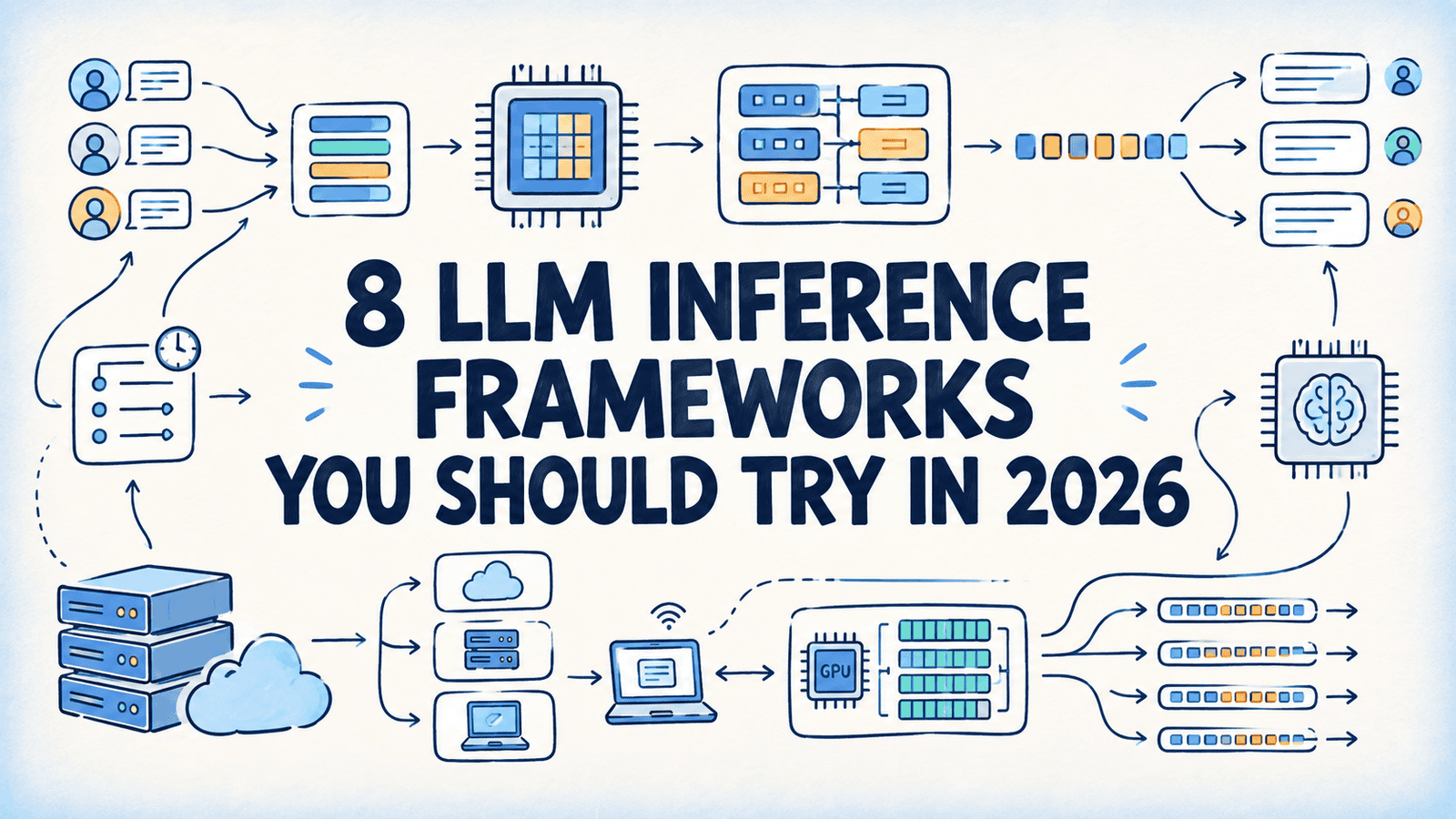
A model that runs in a notebook serves one request at a time. A production endpoint receives many requests at once, and each one needs GPU memory for its key-value (KV) cache, a slot in the batch, and a response stream. Plain PyTorch or Hugging Face Transformers can serve the model, but you have to
BCG and TalentNeuron announce strategic AI workforce transformation partnership

Boston Consulting Group and TalentNeuron are uniting to offer a new partnership driving AI workforce change. The consultancy’s organisational change expertise combined with TalentNeuron’s workforce intelligence technology aims to help enterprises AI is reshaping individual roles and tasks, assess the impact on workforce costs and capabilities, and make more informed decisions about where to hire, reskill, redeploy or automate.
Over the next three years, as many as 55% of jobs could be reshaped by AI, according to recent research from Boston Consulting Group (BCG). The firm’s latest AI at Work survey of close to 12,000 frontline employees, managers, and leaders found that 72% believed the technology had already considerably changed skills expectations in their roles.
However, installing AI alone is not enough to make the most of the opportunities on offer. BCG also found that better tools without strategy and redesign only move measurable impact by about 5%, while strategic clarity from leadership can help lift that to 25%. The researchers subsequently concluded that companies “need to redesign work and operating models around people rather than just deploying tools.”
Putting its money where its mouth is to that end, BCG has announced a new strategic partnership with TalentNeuron, aiming to help organisations improve their decisions about how AI, cost pressure and changing skill needs will reshape their workforce.
TalentNeuron is a software solution which works to help unify internal talent intelligence and external market insight. Powered by advanced AI and machine learning, it says it offers real-time workforce intelligence “across markets representing over 96% of global GDP”. Meanwhile, BCG is one of the world’s three largest strategy consultancies – alongside McKinsey & Company, and Bain & Company – boasting “over 60 years of deep domain knowledge”, now combined with “applied AI shaped by our practitioners”.
New alliance
The partnership combines BCG’s strategy, talent and transformation expertise with TalentNeuron’s workforce intelligence technologies, including labor market intelligence, skills intelligence and internal talent intelligence. Ultimately, this is to help answer the line of questioning which most executive agendas now feature: how AI will change the work each role performs, how to manage workforce cost while protecting the capabilities growth depends on, and which skills to build, hire or automate.
“Every company now faces hard questions about automation, skills and how its workforce should change under different scenarios. Few have built the capability to answer them, because it takes expertise and technology together, at a scale most organisations don’t yet have,” argued David Wilkins, chief executive officer of TalentNeuron.
Working together, the two firms will help clients see how AI will change work at the level of individual tasks and roles, model the cost and capability effects of different scenarios, and decide where to hire, reskill, redeploy or automate. According to a release from the firms, after the engagement, TalentNeuron’s platform can also remain in place after an engagement, so the workforce plan can be updated as business strategy and labour market conditions evolve.
Suketu Shah, BCG managing director and senior partner, and global topic leader for talent and skills, added, “TalentNeuron gives our teams a market-calibrated view of roles and skills, so the workforce decisions we help clients make rest on evidence from the labor market as well as their own data.”

Related Posts