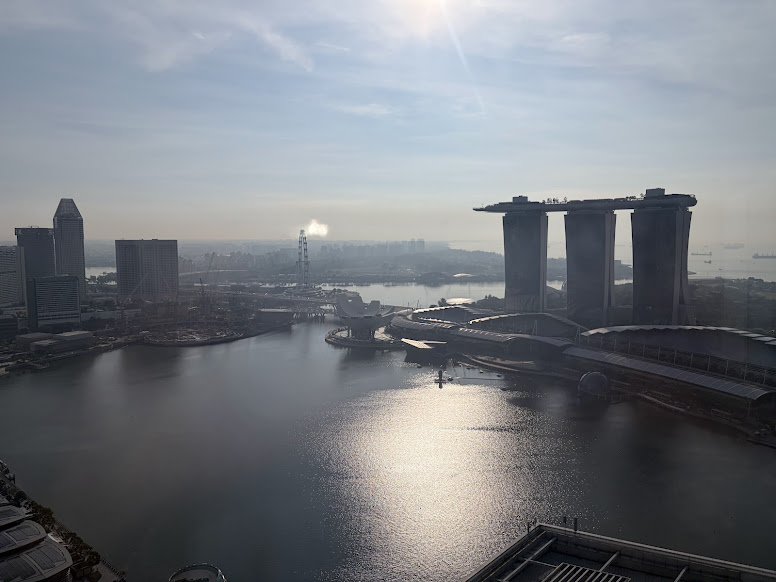
CEO Amelia Linzey on Beca's 15-year AI journey, what we can learn from Singapore, and NZ's infrastructure deficit Singapore, at the New Zealand-Singapore 2026 Forum. Interest.co.nz is unpacking how AI will change your everyday life - the risks, the opportunities, and what to actually expect. Our new series brings you the policymakers, experts and industry
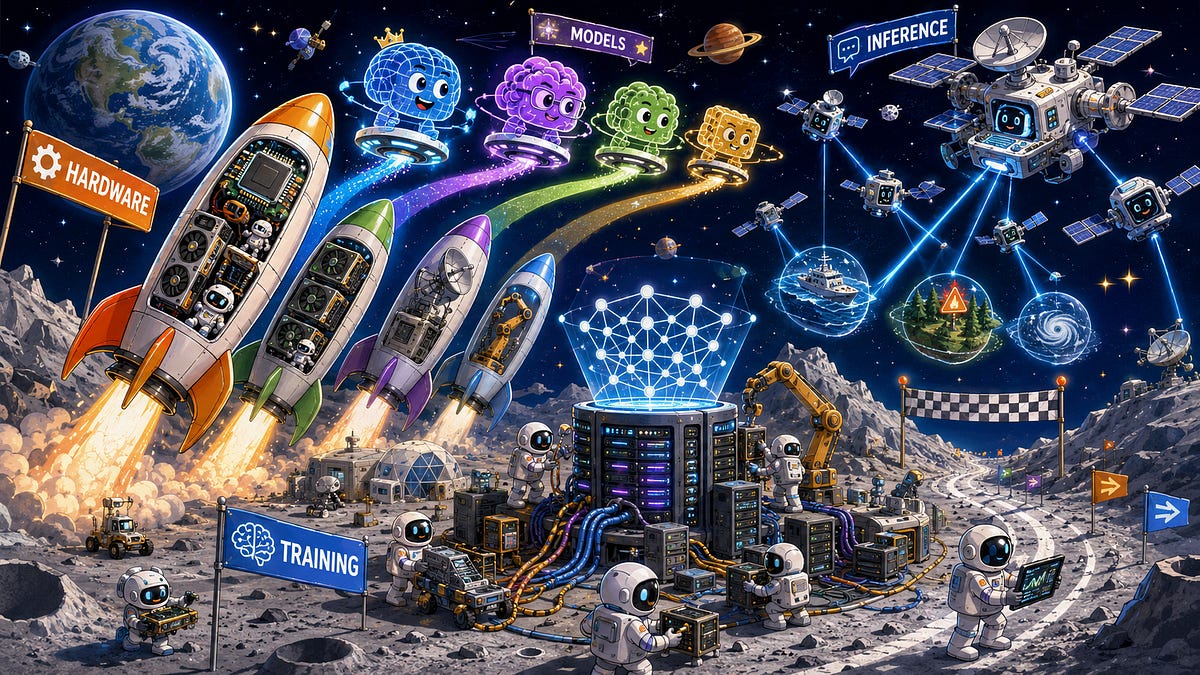
The Sequence Opinion #888: Everything You Need to Know About the AI in Space Race
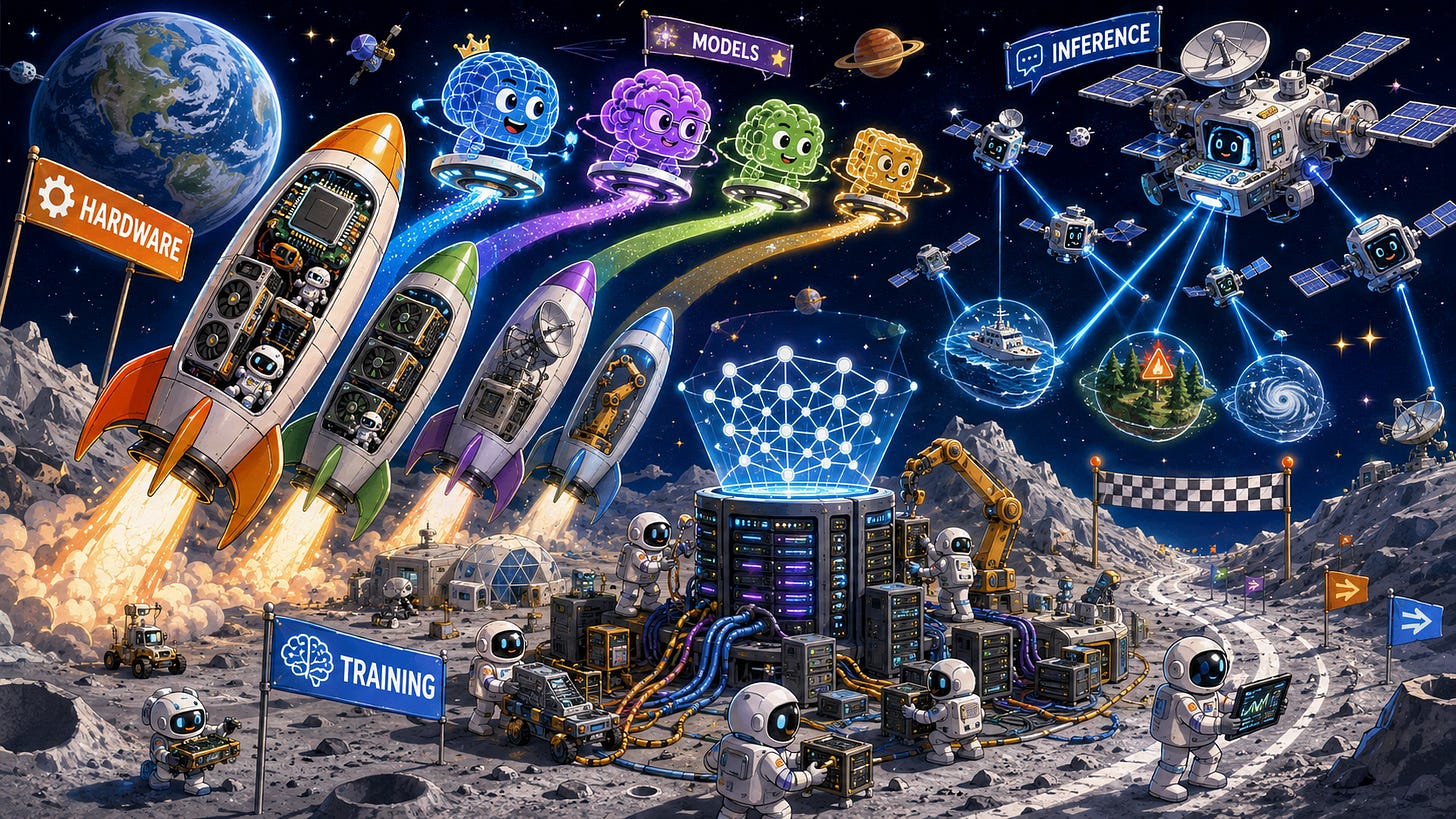
The core thesis of this essay is simple to state: space is becoming a new frontier for AI — and one of the most competitive ones. AI’s frontiers have always been defined by scarcity. When the scarce thing was ideas, the frontier was architectures; when it was data, the frontier was the open web; when it was FLOPs, the frontier was the fab. Today the scarce thing is energy — grid capacity, cooling water, land, permits — and orbit is the one place in reach where energy is effectively unmetered and no zoning board has jurisdiction. That makes low Earth orbit not a science experiment but contested economic territory, and the industry is treating it exactly that way: trillion-dollar companies, hyperscalers, chipmakers, nation-states, and venture-backed startups are all filing, launching, and spending against each other on compressed timelines, with real hardware already running in orbit. As of December 2025, the first large language model ever trained in space was nanoGPT — Karpathy’s minimalist GPT repo — trained on the complete works of Shakespeare aboard an H100 in a 130-pound satellite. The frontier is no longer hypothetical; it has a loss curve.
This essay discusses the core thesis of AI in space: value proposition, key players, architecture differences and much more.

Related Posts