
Announcing a new article publication for BIO Integration Accurate localization of anatomical landmarks is crucial for clinical diagnosis and treatment assessment. However, existing Convolutional Neural Network (CNN)-based methods may result in global spatial information loss and consequent localization failures in the presence of complex anatomical structures or parenchymal abnormalities. Therefore, a method capable of modeling
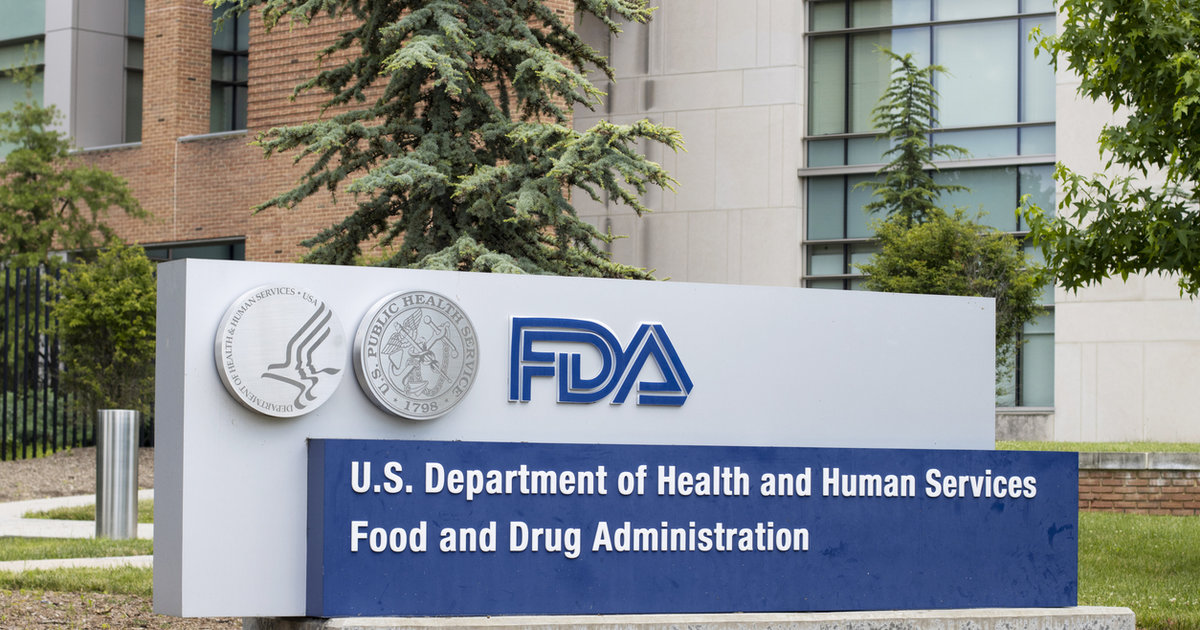
FDA wants feedback on how to regulate generative AI in medicine
The U.S. Food and Drug Administration is mulling how to best regulate generative artificial intelligence in medicine and is seeking feedback from the public on the matter.
Authorities are focused on how such “GenAI”—a type of AI that creates new content such as text, images and audio—can be utilized in medical devices. The FDA wants to hear from impacted parties on topics such as risk assessment, evaluating products before they hit the market, and ongoing safety monitoring afterwards.
To help spur discussion, the agency’s Digital Health Center of Excellence has produced a discussion paper that outlines some of the key considerations.
“Generative AI-enabled medical devices are poised to reshape the health technology landscape, and the FDA has an important responsibility to provide thoughtful leadership for this new era,” radiologist Rick Abramson, MD, who took over as head of the Digital Health Center in February, said in a statement Tuesday. “This discussion paper advances the frontiers of regulatory science and propels a critical conversation about how to enable beneficial innovation, protect public health and preserve trust.”

Abramson and colleagues note that generative AI holds “transformative promise for patient care and the broader health ecosystem.” However, it also comes with unique risks when compared to traditional software and AI-enabled devices. As with other medical products, the FDA plans to apply a “risk-based approach” to regulating generative AI. This will take into consideration the product’s intended use and technological characteristics.
Its ultimate goal is to enable a “nimble regulatory approach,” which employs the least burdensome principles while allowing timely access to safe and effective medical devices.
“Patients and clinicians deserve a regulatory approach that keeps pace with the rapid innovation of digital health technologies,” added FDA Center for Devices and Radiological Health Director Michelle Tarver, MD, PhD. “By inviting input from the public, we are launching a transparent process to inform the development of an approach that safeguards patients and consumers, advances innovation and serves as a potential model for regulators around the world.”
The paper—which does not represent draft or final FDA guidance—poses a series of questions to help aid the public in formulating their responses. Authorities are encouraging feedback from physicians, device manufacturers, consumers, researchers, and other impacted parties. The FDA is accepting comments here through Oct. 19.

Related Posts