Cole and Jaenisch explain why defending against AI poisoning in pharma manufacturing calls for a data steward role, immutable instruction ledgers, and automation. In the latest episode of Manufacturing Intelligence, PharmTech Associate Editorial Director Chris Cole and cohost Richard Jaenisch, senior director of Education, Outreach, and Digital Experience at Open Biopharma, move from diagnosing AI
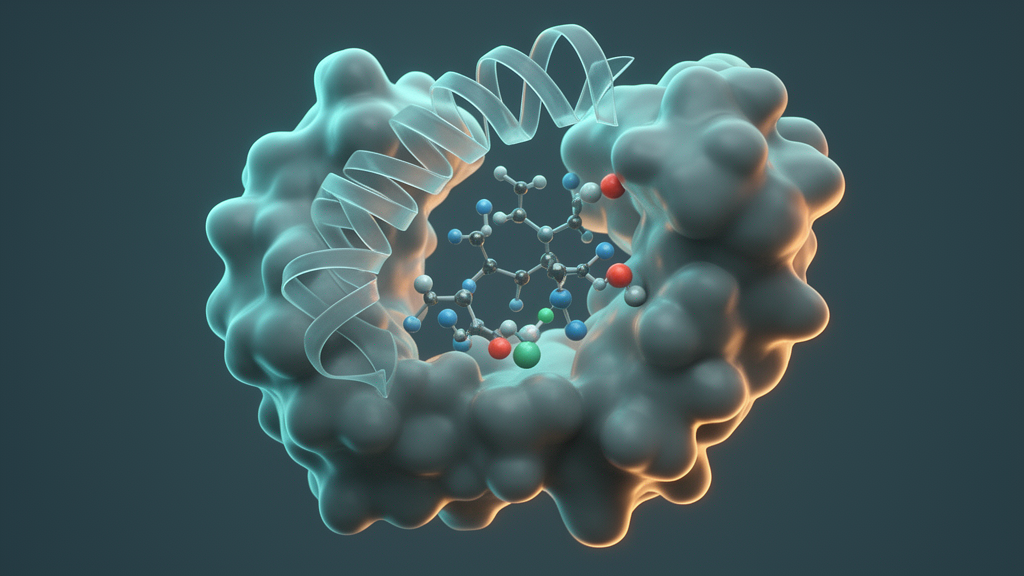
Review Maps AI’s Role in Modern Drug Discovery
A comprehensive review published in the Future Journal of Pharmaceutical Sciences examines the expanding role of artificial intelligence and machine learning in the drug discovery and development pipeline. The study, authored by Krushna A. Chaudhari, Kedar S. Mathpati, and Ashish R. Alte, synthesizes recent literature to detail how data-driven strategies are transforming a process traditionally characterized by long timelines, high costs, and low success rates. By leveraging computational power, AI technologies are enabling more efficient and predictive approaches across the entire lifecycle of pharmaceutical research, from initial target identification to final clinical trial optimization.
The review highlights that the traditional drug discovery process is a complex and resource-intensive endeavour that typically takes ten to fifteen years and costs billions of dollars. This high cost reflects the significant risk of failure at each stage, including target identification, lead discovery, preclinical testing, and regulatory approval. To address these inefficiencies, researchers have increasingly turned to artificial intelligence to move away from trial-and-error methods toward a predictive, data-driven paradigm. This shift allows for the rapid analysis of chemical and biological data, identifying complex patterns that conventional methods might miss.
Key AI technologies applied in this field include machine learning, deep learning, and various neural network architectures. Machine learning involves algorithms that learn patterns from data to make predictions or classifications, while deep learning, a subset of machine learning, uses multi-layered neural networks to capture hierarchical representations of data. These advanced architectures, such as convolutional neural networks and recurrent neural networks, are utilized for tasks ranging from predicting chemical properties to analysing protein sequences and three-dimensional structures. The integration of these tools allows for highly complex predictions that enhance the accuracy of drug design.
One of the primary applications of AI is in target identification and lead discovery. AI models can predict disease-related proteins and pathways, helping researchers select viable therapeutic targets. In lead optimization, these models generate and prioritize compounds with optimal activity and drug-like properties. Furthermore, AI is leveraged for the prediction of ADME/T properties, which stand for absorption, distribution, metabolism, excretion, and toxicity. By anticipating pharmacokinetics and safety profiles early in the process, AI helps minimize the risk of late-stage failures due to poor safety or efficacy profiles.
Several specialized AI-driven platforms have been developed to facilitate these processes. Tools such as DeepChem support machine learning in chemical informatics, while AlphaFold is widely used for protein structure prediction. Other platforms, like DeepTox and Ligand Express, focus on toxicity prediction and polypharmacology assessment, respectively. These tools provide computational frameworks and automated workflows that streamline the drug discovery process, allowing researchers to explore larger chemical spaces and identify novel targets more efficiently than traditional experimental techniques.
The review also addresses the application of AI in clinical trial design, a phase that typically spans six to seven years and requires substantial financial investment. Despite these resources, only about 10% of molecules entering clinical trials achieve regulatory approval. AI can mitigate these issues by optimizing patient enrollment and monitoring. For instance, AI algorithms can analyze genome and exposome profiles to identify individuals most likely to respond to a specific therapy, particularly in Phase II and III trials. This precision helps reduce the high attrition rates associated with improper patient selection, which contributes to a significant portion of trial failures.
Advanced applications of AI are also emerging in drug delivery and nanomedicine. AI-enabled nanorobots, composed of integrated circuits and sensors, are being programmed to navigate the body, identify specific targets, and deliver drugs with precision. These systems can adjust doses based on physiological cues, such as pH levels, to enhance therapeutic efficacy while minimizing systemic side effects. Additionally, AI is used to predict synergistic effects in combination therapies, helping researchers identify optimal drug combinations for complex diseases like cancer and tuberculosis without relying solely on laborious high-throughput screening.
Despite its transformative potential, the adoption of AI in pharmaceutical research faces several challenges. The effectiveness of AI systems relies heavily on the availability of large, high-quality datasets, which can be costly to access and difficult to validate. Other obstacles include a shortage of skilled personnel, limited budgets in smaller organizations, and the “black box” phenomenon, where it is difficult to interpret how AI models reach their conclusions. These factors create skepticism regarding AI-generated results and pose regulatory hurdles for the clinical translation of AI-designed drugs.
To address these limitations, the review points to the development of Explainable Artificial Intelligence, or XAI, as a critical future direction. XAI methods aim to provide transparency in decision-making, allowing scientists to understand why specific molecules or drug combinations are prioritized. This transparency is essential for enhancing regulatory compliance and building trust among clinicians and stakeholders. Furthermore, the integration of multi-omics data, including genomics and proteomics, into AI models is expected to enable more personalized drug discovery, reducing clinical trial failure rates and improving therapeutic outcomes for specific patient populations.
The review concludes that AI is transitioning from a supplementary screening tool to an indispensable central engine of modern drug development. By bridging the gap between computational prediction and real-world biological complexity, AI offers a transformative opportunity to reduce timelines, lower costs, and enhance the safety and effectiveness of new drug candidates. As computational power and data availability continue to grow, the strategic adoption of AI is reshaping pharmaceutical research and development, paving the way for a more efficient and personalized approach to medicine.
To establish the evidence base for this transition, the authors conducted a systematic literature search across major electronic databases, including PubMed, Scopus, Google Scholar, and Web of Science, focusing on peer-reviewed studies published predominantly between 2018 and 2026. The search utilized defined Boolean keyword combinations targeting machine learning, target identification, toxicity prediction, and related pharmaceutical domains, while excluding publications that lacked methodological transparency or direct pharmaceutical relevance. Implementing these analytical models relies heavily on open computational infrastructure, notably Python libraries such as TensorFlow and PyTorch for constructing neural networks, RDKit and DeepChem for chemoinformatics and virtual screening, and Scikit-learn for standard machine learning pipelines. Model performance is rigorously evaluated through statistical metrics, including precision, recall, F1 score, accuracy, and the area under the receiver operating characteristic curve, ensuring reliable validation across complex datasets.
Computational techniques are especially vital given that the theoretical chemical space encompasses more than 10^60 molecules, a scale that renders exhaustive laboratory testing impossible. Researchers utilize open-access chemical repositories such as PubChem, ChemBank, DrugBank, and ChemDB in conjunction with algorithms like Coulomb matrices and molecular fingerprint recognition to systematically map chemical space and prioritize lead candidates. In silico tools such as DeepVS, ALGOPS, and the ADMET predictor enable early evaluation of physicochemical properties, including aqueous solubility, intestinal permeability, and partition coefficients. The superiority of deep architectures in this setting was prominently demonstrated during the 2012 Merck molecular activity challenge, where deep learning frameworks consistently outperformed traditional machine learning models across fifteen distinct absorption, distribution, metabolism, excretion, and toxicity datasets, solidifying neural networks as standard tools for pharmaceutical property prediction.
Beyond screening existing compound libraries, deep learning has advanced de novo drug design by generating novel molecular entities with pre-specified attributes and viable synthesis routes. Neural platforms like the Reinforced Adversarial Neural Computer, trained on SMILES string representations, have outperformed earlier systems like ORGANIC in producing diverse structures with optimized molecular weight, logP, and topological polar surface area. Long short-term memory recurrent neural networks have generated specialized compound libraries targeting pathogens and receptors such as Plasmodium falciparum, Staphylococcus aureus, and the 5-HT2A receptor. Additionally, generative frameworks applied to retinoid X and PPAR targets yielded five novel designed molecules, four of which demonstrated verified biological activity in subsequent cell-based assays.
AI applications also address specific operational bottlenecks within clinical trials and combination therapies. While improper patient selection accounts for approximately 86% of clinical failures, participant dropout is responsible for nearly 30% of unsuccessful trials. Digital monitoring solutions directly combat non-compliance; for instance, the AiCure mobile application increased medication adherence by 25% during a Phase II schizophrenia trial. In combination therapy development, computational algorithms bypass laborious screening to forecast synergistic interactions. Researchers applied a quadratic phenotype optimization platform to identify effective two- and three-drug regimens against bortezomib-resistant multiple myeloma. Similarly, random forest models utilizing gene expression and network data successfully identified 28 promising synergistic anticancer combinations, while the Combination Synergy Estimation machine learning method evaluated a library of 1,540 compounds to predict synergistic pairings against malaria.
Advanced formulation design further demonstrates the convergence of computational modeling with physical delivery systems. Computational platforms such as LAMMPS and GROMACS allow researchers to examine how nanoparticle surface chemistry impacts cellular internalization, while molecular simulations guide methotrexate nanosuspensions and dendrimer encapsulation. In targeted oncology, silicasomes combining the tumor-penetrating peptide iRGD with irinotecan-loaded mesoporous silica nanoparticles achieved a three- to fourfold increase in cellular uptake, enhancing delivery efficiency. These technological capabilities have driven substantial commercial expansion. Between 2013 and 2018, over 7.2 billion dollars was invested across more than 300 industry deals, and AI-driven pharmaceutical revenues were projected to reach approximately 2.199 billion dollars by 2022.
Subject of Research: Application of artificial intelligence and machine learning in pharmaceutical drug discovery and development
Article Title: Artificial intelligence and machine learning in drug discovery and development: a comprehensive review
Article References: Chaudhari, K. A., Mathpati, K. S., & Alte, A. R. (2026). Artificial intelligence and machine learning in drug discovery and development: a comprehensive review. Future Journal of Pharmaceutical Sciences, 12(1), Article 70. https://doi.org/10.1186/s43094-026-00997-6
Image Credits: AI Generated
DOI: 10.1186/s43094-026-00997-6
Keywords: artificial intelligence, machine learning, drug discovery, pharmaceutical research, deep learning, clinical trials, nanomedicine, drug design, computational biology, toxicity prediction, Artificial, intelligence

Related Posts